


Decades after crime tape was rolled away and forensic kits were sealed into evidence lockers, hundreds of American homicides and unexplained disappearances remain suspended in legal limbo. Behind every unresolved docket is an intricate forensic labyrinth: degraded biological samples, compromised crime scenes, shifting alibis, and technological limitations of eras past.
For TheColdCases.com, this investigative dossier delivers a deep forensic and investigative analysis of ten of the most baffling cold cases in United States history, examining the physical evidence, the primary suspects, the critical investigative bottlenecks, and where modern forensic technology stands today.
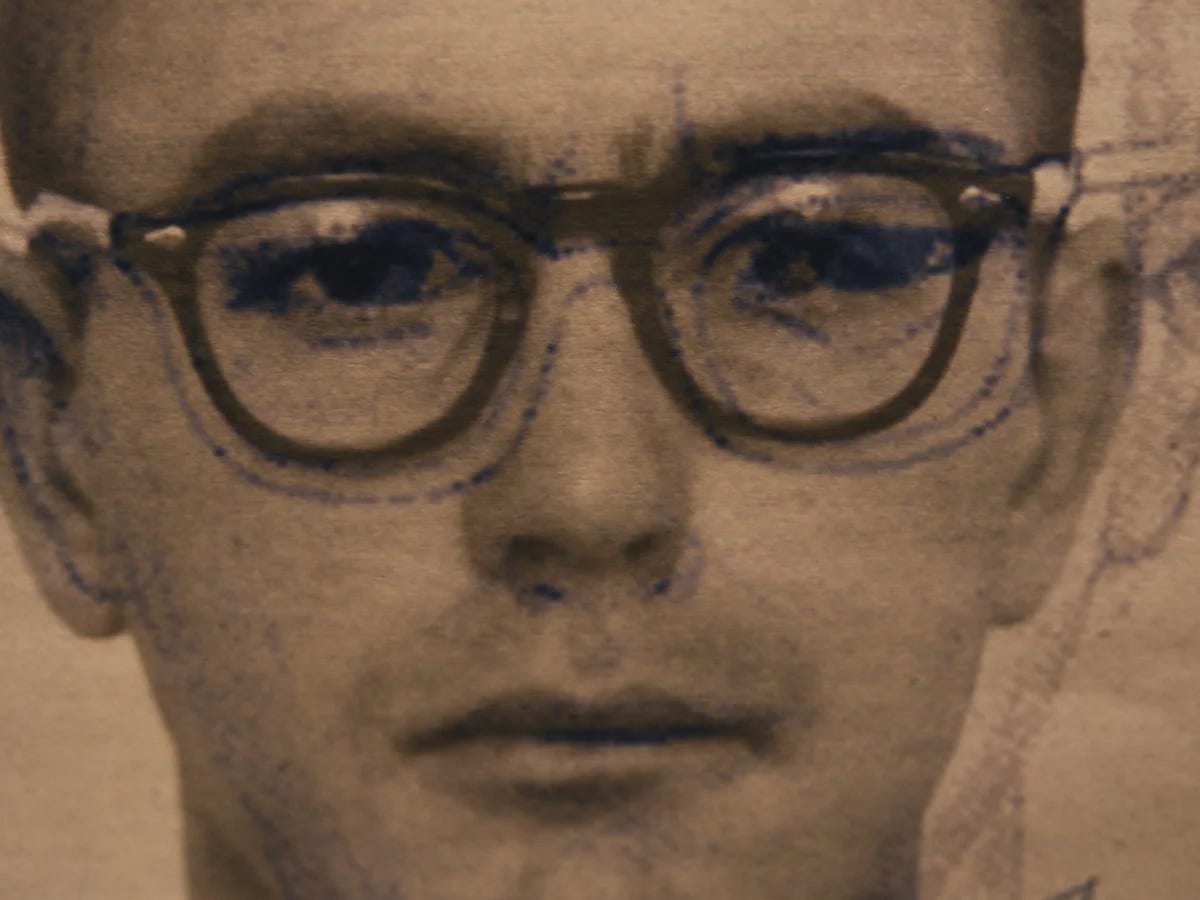
1. The Zodiac Killer (Northern California, 1968–1969)
The Crime and the Timeline
Between December 1968 and October 1969, an unidentified assailant terrorized Northern California, targeting young couples in isolated lovers’ lanes before executing a lone cab driver in downtown San Francisco.
The canonical timeline began on December 20, 1968, on Lake Herman Road in Benicia, where high school students David Faraday and Betty Lou Jensen were fatally shot beside Faraday’s station wagon. Jensen attempted to flee on foot and was shot five times in the back; Faraday was executed at point-blank range with a .22-caliber weapon. Seven months later, on July 4, 1969, Darlene Ferrin and Michael Mageau were shot in a parked car at Blue Rock Springs Park in Vallejo. Mageau survived, describing a stocky white male who approached with a blinding handheld spotlight. Within forty minutes, a payphone caller notified Vallejo Police Dispatch: “I wish to report a double murder... I also did those kids last year.”
On September 27, 1969, at Lake Berryessa in Napa County, the violence took a theatrical turn. Bryan Hartnell and Cecelia Shepard were approached by a man wearing an elaborate black executioner’s hood, embroidered with a white crosshair symbol. Armed with a gun and a foot-long bayonet, he tied them with pre-cut plastic clotheslines and stabbed both repeatedly before carving dates, times, and weapon specifications onto Hartnell’s car door. Hartnell survived; Shepard died two days later. The canonical spree concluded on October 11, 1969, with the close-range shooting of cab driver Paul Stine in San Francisco’s upscale Presidio Heights neighborhood. Three teenage witnesses spotted the killer wiping down the taxicab before walking calmly toward the Presidio.
Physical Evidence and the Cryptograms
The perpetrator separated himself from standard serial offenders through weaponized communication. He mailed dozens of taunting letters to the San Francisco Chronicle, San Francisco Examiner, and Vallejo Times-Herald, demanding they be printed on front pages under threat of further murder. To substantiate his authorship of the Stine murder, he mailed bloodstained swatches of Stine’s torn shirt.
Accompanying these letters were four complex ciphers:
The Z408 Cipher: Solved in August 1969 by schoolteacher Donald Harden and his wife Bettye. It revealed a manifesto describing the thrills of killing and claimed victims would serve as his slaves in the afterlife.
The Z340 Cipher: Solved after 51 years in December 2020 by an international civilian team (David Oranchak, Jarl Van Eycke, and Sam Blake). The plaintext read: “I hope you are having lots of fun in trying to catch me... I am not afraid of the gas chamber because it will send me to paradise all the sooner...”
The Z13 and Z32 Ciphers: These shorter ciphers remain officially unbroken due to an insufficient number of characters to eliminate false-positive decryptions mathematically.
Forensically, investigators recovered latent fingerprints and palm prints from Stine’s cab, size 10½ Wing Walker boot impressions from the wet soil at Lake Berryessa, shell casings (.22 caliber and 9mm), and postage stamp envelopes. However, envelope adhesive from that era yields low-copy nuclear DNA, frequently contaminated by decades of manual handling prior to modern chain-of-custody protocols.
Suspects and Investigative Outlook
The prime suspect for decades was Arthur Leigh Allen, a convicted child molester from Vallejo. Allen owned a Zodiac wristwatch bearing the crosshair logo, owned firearms, had boots matching the shoe impressions, and was identified in circumstantial statements by acquaintances. Yet, handwriting analysts repeatedly excluded Allen as the author of the letters, his fingerprints failed to match latent prints from the Stine cab, and a partial DNA profile lifted from the back of a stamp in 2002 did not match him. Other suspects, from Richard Gaikowski to Lawrence Kane, have faced intense public speculation but lacked corroborating physical evidence.
Today, the San Francisco Police Department, Napa County Sheriff’s Office, and Vallejo Police Department maintain open files. Modern hopes hinge on whole-genome sequencing (WGS) and genetic genealogy applied to trace biological cellular material sealed underneath envelope flaps.
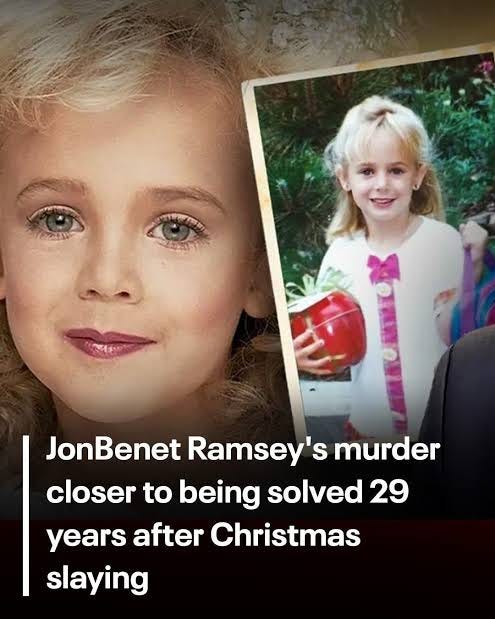
2. The Murder of JonBenét Ramsey (Boulder, Colorado, 1996)
The Crime and Scene Compromise
On December 26, 1996, at 5:52 AM, Patsy Ramsey placed an emergency 911 call to the Boulder Police Department, reporting that her six-year-old daughter, JonBenét, had been kidnapped from their fifteen-room Tudor home. A three-page handwritten ransom note demanded $118,000—a sum nearly identical to John Ramsey’s recent net work bonus.
At approximately 1:00 PM, after detectives had secured only a cursory portion of the estate, Detective Linda Arndt instructed John Ramsey and family friend Fleet White to search the residence for anything unusual. Ramsey descended into the dark basement and discovered JonBenét’s body inside an uninsulated room known as the “wine cellar.” He carried the child upstairs, destroying the scene’s forensic integrity: contamination was compounded as friends and family moved through the house, blankets were placed over the victim, and trace evidence was disturbed.
The autopsy revealed severe trauma: a massive, eight-and-a-half-inch cranial fracture caused by blunt force impact, alongside asphyxiation via a crude garrote fashioned from nylon cord and a broken paintbrush handle sourced from Patsy’s art supplies. Undigested pineapple was discovered in JonBenét’s duodenum, indicating she had eaten fruit hours after her parents stated she had gone straight to bed following a Christmas dinner.
Physical Evidence and the Ransom Note
The ransom note represents one of the most anomalous documents in forensic linguistic history:
It was written with a Sharpie and on a legal pad that belonged to Patsy Ramsey, both retrieved from within the house.
Practice drafts of the opening lines were found in the trash.
The note spanned three pages, an unprecedented length for an authentic kidnapping-for-ransom document, and quoted dialogue from films such as Ransom and Speed.
While John Ramsey was conclusively cleared by handwriting analysts, Patsy Ramsey could not be eliminated; several analysts placed her at high probability of authorship, though results remained disputed.
On the body, forensic analysts located minute amounts of foreign male DNA on the waistband of JonBenét’s long johns and inside the crotch of her underwear. In 2008, former District Attorney Mary Lacy formally cleared the Ramsey family based on “touch DNA” analysis using newly available STR (Short Tandem Repeat) technology, which identified an unknown male profile (labeled “Male Unknown 1”). However, subsequent investigative analyses, including statements by later Boulder DA Stan Garnett, noted that the DNA profile was a complex mixture of low-level cellular material, possibly transfer DNA from manufacturing packaging, rather than a definitive smoking gun of an intruder.
The Two Investigative Theories
The case cleaved the law enforcement community into two intractable camps:
The Intruder Theory: Proponents point to an open basement window, an alleged stun gun mark on the victim’s back, a faint boot print (Hi-Tec brand) in the basement dust, and the foreign male DNA profile uploaded to the FBI’s CODIS database. They argue an intruder entered while the family was out, authored the note using household materials while waiting, committed the assault, and exited through the basement.
The Family/Cover-Up Theory: Boulder Police investigators initially focused on Patsy, John, and their nine-year-old son, Burke. Proponents argue that an accidental injury or domestic confrontation occurred in the home, followed by a staged kidnapping and garrote strangulation to obscure the initial head trauma. They emphasize the absence of forced entry, cobwebs undisturbed across the open basement window grate, the logistical absurdity of an outside kidnapper lingering to draft a three-page letter, and the utilization of domestic items for the garrote.
In recent years, the Boulder Police Department, alongside the Colorado Bureau of Investigation and private genomic laboratories, has engaged in updated DNA testing on remaining items—including the garrote cord, clothing, and fingernail clippings—aiming to isolate definitive single-source profiles suitable for forensic genetic genealogy.
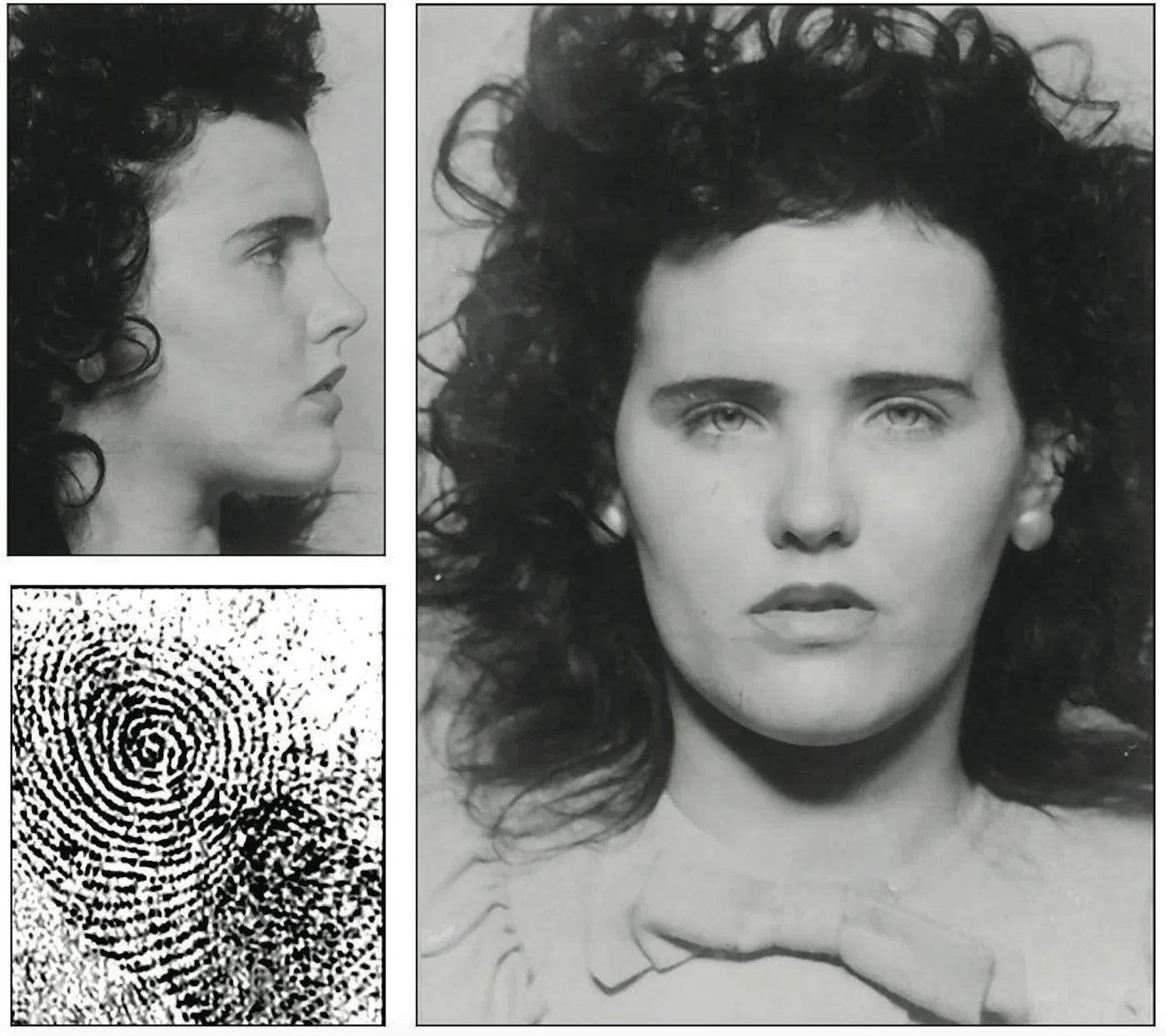
3. The Black Dahlia: The Murder of Elizabeth Short (Los Angeles, 1947)
The Discovery on Norton Avenue
On the morning of January 15, 1947, a local resident walking with her child discovered the severed body of 22-year-old Elizabeth Short in an overgrown vacant lot on South Norton Avenue in Leimert Park, Los Angeles. The scene was surgically gruesome: Short had been bisected completely through the lumbar spine, between the second and third lumbar vertebrae, via an operation known as a hemicorporectomy.
The body was drained of blood, scrubbed thoroughly, and posed. Her legs were spread wide, and deep incisions were carved into her face from the corners of her mouth toward the ears—a mutilation known as the “Glasgow smile.” Marks on her wrists, ankles, and neck showed she had been bound and tortured over a multi-day window. Her stomach contained only fecal matter, suggesting forced ingestion. The absence of blood at the lot proved Norton Avenue was merely a disposal site; the murder and bisection had been conducted elsewhere with calculated precision.
The Investigation and Media Circus
The Los Angeles Police Department (LAPD) launched what became the largest homicide investigation in the city’s history, marshaling hundreds of officers. However, the case was instantly paralyzed by William Randolph Hearst’s sensationalist tabloids, including the Los Angeles Examiner. Reporters intercepted Elizabeth’s mother, Phoebe Short, falsely telling her that Elizabeth had won a beauty contest before revealing she had been murdered, extracting personal letters and background history under false pretenses.
Short’s lifestyle was sensationalized. The press dubbed her “The Black Dahlia” due to her penchant for sheer black garments and the popular 1946 film The Blue Dahlia. Tabloid sensationalism contaminated the tip lines with over fifty false confessions from individuals seeking notoriety, wasting thousands of detective man-hours.
Forensic examiners noted the anatomical precision of the cut: the killer had severed the body without fracturing bone or tearing major internal organs haphazardly, cutting through the intervertebral disk. This suggested advanced knowledge of surgical techniques or butchery.
Primary Suspects
Dr. George Hodel: An elite Los Angeles physician specializing in venereal disease treatment. In 1950, the LAPD placed Hodel under electronic surveillance, recording him stating: “Supposin’ I did kill the Black Dahlia. They couldn’t prove it now. They can’t talk to my secretary anymore because she’s dead.” Hodel’s own son, former LAPD homicide detective Steve Hodel, later authored extensive investigations arguing his father was the killer, tying him to other unsolved California murders. While circumstantial evidence was compelling, the LAPD never secured an indictment.
Leslie Dillon: A mortician’s assistant and aspiring writer who possessed detailed knowledge of the crime scene not released to the public. LAPD brass investigated Dillon heavily, but jurisdictional disputes and alleged political interference within the department derailed the inquiry.
Mark Hansen: A local nightclub and theater owner with whom Short had stayed. While known to associate with organized crime figures and harboring an unreciprocated romantic interest in Short, no direct physical evidence tied him to the crime.
Given that the murder occurred in 1947, decades before modern evidence preservation protocols, most physical materials have deteriorated or disappeared from police custody. The case remains a historical marker of mid-century urban violence and forensic limitations.

4. The Springfield Three (Springfield, Missouri, 1992)
A House Vanished in Place
On the morning of June 7, 1992, 19-year-old Suzie Streeter and 18-year-old Stacy McCall graduated from Kickapoo High School in Springfield, Missouri. After attending multiple graduation parties, the pair decided against traveling to a hotel in Branson, driving instead to Suzie’s home at 421 East Delmar Street, which she shared with her 47-year-old mother, Sherrill Levitt.
The following morning, friends Janelle Kirby and Mike Kovacs arrived at the house when Streeter and McCall failed to meet them as planned. They found the front door unlocked. Inside, everything appeared completely normal:
All three women’s vehicles were parked outside in the driveway.
Purses, wallets, keys, cigarettes, and driver’s licenses were lined up inside the home.
The family dog, a Yorkshire terrier named Cinnamon, was agitated but unharmed.
The beds had been slept in, and Levitt’s unwashed makeup and clothes from the night before were accounted for.
The only sign of anything out of place was a broken glass porch light globe on the front steps, which had shattered on the concrete. Unaware that a crime had taken place, friends and family entered the home, cleaned up the broken glass from the porch, and answered incoming phone calls, unintentionally compromising trace physical evidence before the Springfield Police Department arrived.
Investigative Leads and the Van
Investigators uncovered no signs of a struggle. There were no bullet casings, knife marks, or blood spatters anywhere in the house. This led detectives to conclude that the three women were forced out of the home under coercion—likely by one or more armed individuals who used leverage over one victim to control the other two.
A witness reported seeing a 19-year-old woman matching Suzie Streeter driving a 1960s-era Dodge van in the early morning hours of June 7, looking distraught, accompanied by an unidentified male voice stating: “Don’t do anything stupid.” Another resident reported seeing a similar green/gray van parked near the Delmar home. However, despite tracking down hundreds of vehicles matching that description across the Midwest, the vehicle was never located.
Bizarre tips emerged over the years. An infamous local urban legend claimed the three bodies were buried within the concrete foundations of the Cox Hospital parking garage, which was under construction in June 1992. Ground-penetrating radar scans in the early 2000s showed subsurface anomalies, but structural engineers and law enforcement determined core drilling was both logistically unfeasible and investigative nonsense based on the construction pour timeline.
Prime Suspects and Modern Realities
Multiple regional criminals have been scrutinized:
Robert Craig Cox: A convicted kidnapper and suspect in a Florida homicide who was living in Springfield in 1992. When interviewed in prison, Cox claimed to know the women were dead and buried in Missouri, bragging that police would never find them until after his death. Investigators remain divided on whether Cox was the perpetrator or a prison opportunist seeking notoriety.
Gerald Schaefer and local burglary rings: Police looked into local grave robbers and thieves whom Streeter and Levitt had reportedly interacted with, but found no actionable links.
With no bodies, no weapons, and virtually zero forensic evidence recovered from the Delmar residence, the Springfield Three remains one of the largest active missing-persons investigations in the American Midwest. The Springfield Police Department continues to cycle detectives through the cold file, hoping that familial confessions or deathbed disclosures will finally crack the silence.
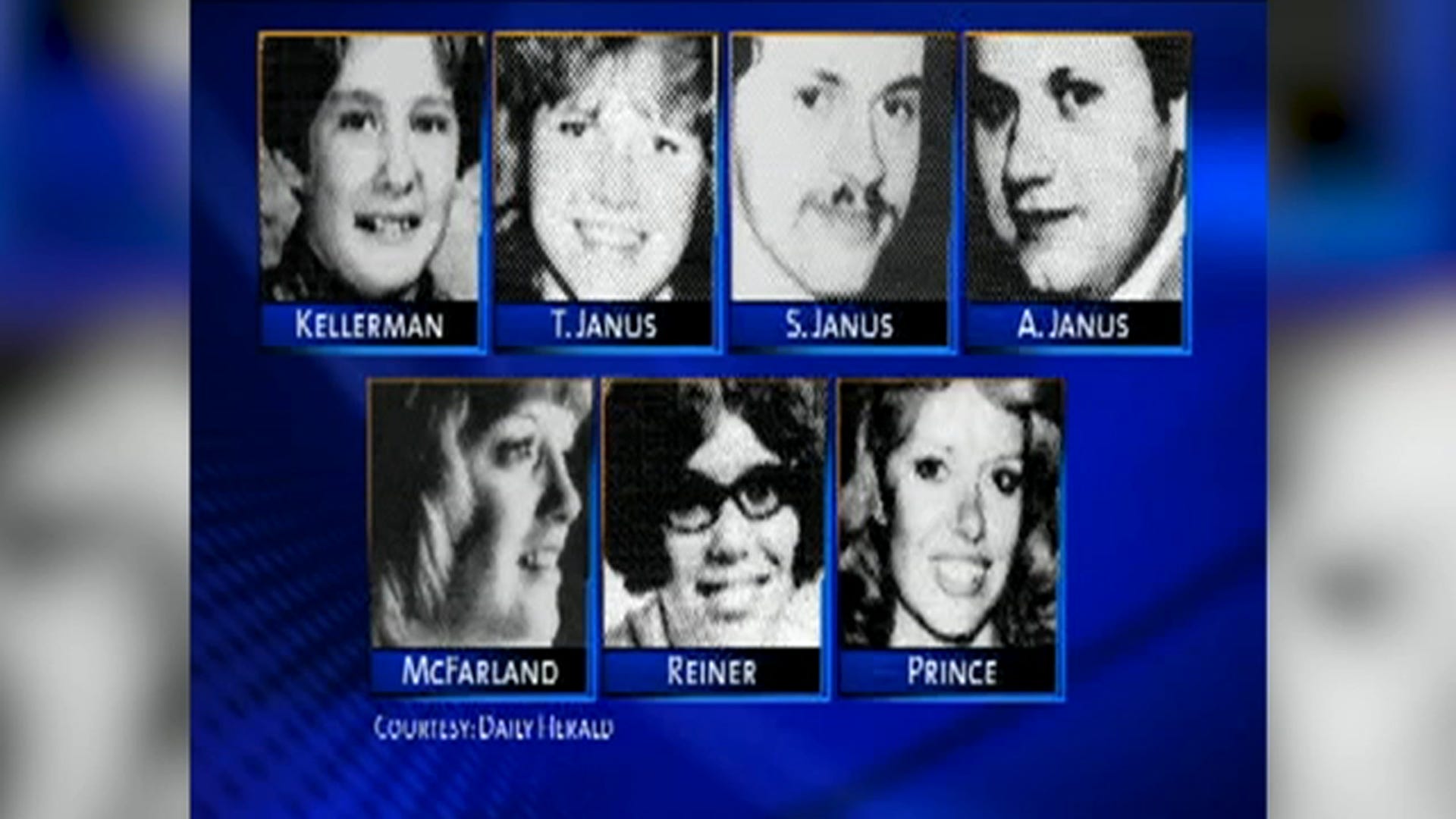
5. The Chicago Tylenol Murders (Chicago Metropolitan Area, 1982)
Seven Deaths in Three Days
Between September 29 and October 1, 1982, seven people in the Chicago metropolitan area collapsed and died suddenly from acute cyanide poisoning. The victims had no social or demographic connection:
12-year-old Mary Kellerman of Elk Grove Village took an Extra-Strength Tylenol capsule to treat a cold before school.
27-year-old postal worker Adam Janus of Arlington Heights collapsed from cardiac arrest; hours later, his grieving brother Stanley (25) and sister-in-law Theresa (19) gathered at his home, complained of severe headaches, ingested capsules from the same bottle, and died.
Mary Reus, Mary McFarland, and Paula Prince were struck down across western Chicago and suburban Cook County in identical fashion.
The link was cracked by two off-duty firefighters, Philip Cappitelli and Richard Keyworth, who cross-referenced emergency medical call logs and realized every deceased individual had consumed Extra-Strength Tylenol within thirty minutes of collapse. Subsequent lab analysis of the capsules revealed fatal doses of potassium cyanide—nearly 10,000 times the lethal threshold—packed into the gelatin shells.
The Sabotage Method
Investigators initially feared a manufacturing plant failure at Johnson & Johnson facilities in Pennsylvania or Texas. However, testing rapidly disproved this: the poisoned bottles originated from different packaging facilities and were distributed across completely distinct supply routes.
The killer had purchased or stolen bottles of Tylenol from retail shelves across Chicago-area grocery stores and pharmacies (including Walgreens, Jewel, and Osco), opened them, mixed the medication with cyanide powder, carefully resealed them, and returned them to store shelves over several days. The tamperer targeted innocent, random consumers, turning an over-the-counter medicine into an untraceable chemical weapon.
The corporate and governmental fallout altered American retail overnight:
Johnson & Johnson issued a massive nationwide recall of 31 million bottles (valued at over $100 million).
The company pioneered tamper-evident packaging: foil blister seals, glued box flaps, and plastic neck bands.
In 1983, the U.S. Congress passed the “Federal Anti-Tampering Act” (the “Tylenol Bill”), criminalizing product tampering under federal jurisdiction.
Suspects and Failed Leads
James William Lewis: Shortly after the deaths, Johnson & Johnson received an extortion letter demanding $1 million to “stop the killings.” Federal agents traced the letter to James Lewis. While Lewis was convicted of extortion and served thirteen years in federal prison, investigators proved he was living in New York City at the time of the Chicago poisonings and lacked physical evidence placing him in Illinois. Lewis died in 2023, denying involvement to the end.
Ted Kaczynski (The Unabomber): Because Kaczynski grew up in the Chicago suburbs and his parents maintained a home in Lombard, Illinois, federal agents scrutinized him after his 1996 arrest. The FBI sought his DNA in 2011 to compare against partial samples extracted from the poisoned pill bottles, but no match was established.
Roger Arnold: A dock worker at a local Jewel warehouse who possessed potassium cyanide and had exhibited erratic behavior. While heavily scrutinized, police cleared him of physical involvement.
Because security camera coverage in 1982 pharmacies was almost nonexistent, the identity of the person who slipped those poisoned bottles onto Chicago shelves remains unknown.
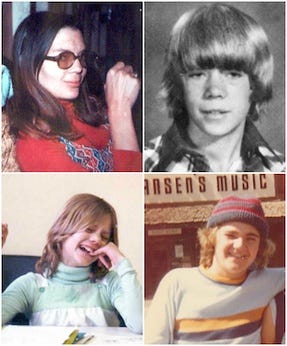
6. The Keddie Cabin Murders (Keddie, California, 1981)
The Massacre at Cabin 28
On the night of April 11, 1981, inside Cabin 28 of the Keddie Resort in the Sierra Nevada foothills, one of the most violent quadruple homicides in California history unfolded.
The victims were 36-year-old Glenna “Sue” Sharp, her 15-year-old son John, and John’s 17-year-old friend, Dana Wingate. The following morning, Sue’s 14-year-old daughter Sheila returned from a sleepover at a neighboring cabin to find an apocalyptic scene: John and Dana lay bound with medical tape and electrical wire on the living room floor; Sue lay nearby wrapped in a yellow blanket. All three had been bludgeoned with claw hammers and stabbed repeatedly. Sue had been slashed across the throat, her spine severed by a heavy blade.
Concurrently, Sue’s 12-year-old daughter, Tina Sharp, was missing from the cabin. Sue’s two younger sons (Rick and Greg) and their young friend Justin Smartt were found asleep and physically uninjured in an adjacent bedroom down the hall, having miraculously slept through or suppressed the auditory horror of the killings.
Three years later, in April 1984, a bottle collector discovered human cranium fragments twenty-nine miles away near Camp Eighteen in Butte County. Forensic dental records identified the skull as Tina Sharp, confirming that the killer had abducted the young girl from Cabin 28 before executing her in the wilderness.
Investigative Missteps and Lost Evidence
The initial investigation by the Plumas County Sheriff’s Office was marred by systemic negligence. The crime scene was inadequately secured, allowing outside personnel to track through heavy pools of blood.
Investigators recovered two blood-soaked kitchen knives, one bent by extreme force, and an engineer’s hammer. A claw hammer used in the bludgeoning was conspicuously missing.
Suspicions fell immediately on Martin Smartt, a neighboring resident of Cabin 26 and stepfather to young Justin Smartt, along with his houseguest, an ex-convict named John “Bo” Boubede. Smartt had severe anger issues and had complained bitterly that Sue Sharp was encouraging his wife, Marilyn, to divorce him. Days after the murders, Smartt abruptly left Keddie for Reno, Nevada.
Critical clues were systematically buried:
Smartt voluntarily told detectives he had “lost” a claw hammer matching the murder weapon days before the crime.
Smartt sent a letter to his estranged wife stating: “I’ve paid the price of your love & now that I’ve bought it with four lives, you tell me we are through.” Marilyn turned this over to police, but it was dismissed as metaphorical.
In 2016, Special Investigator Mike Gamberg reopened the cold case and discovered that audio recordings of an anonymous 1984 911 call identifying Tina Sharp’s skull location had been taped over, left uncataloged in an evidence locker for thirty years.
Modern Breakthroughs
In 2016, a commercial diver located a claw hammer matching the weapon described by Smartt submerged in a pond near Keddie, intentionally dumped. Furthermore, Gamberg submitted preserved adhesive tape taken from the bindings around the victims’ wrists for advanced mitochondrial and STR DNA testing.
In 2018, the Plumas County Sheriff’s Office announced that a piece of evidence yielded a DNA profile matching a known, living person who was an associate of Smartt and Boubede. Both Martin Smartt (died 2000) and Bo Boubede (died 1988) are deceased, but investigators believe at least one surviving accessory assisted in the planning, logistics, or abduction of Tina Sharp. The dilapidated Cabin 28 was demolished in 2004, but the case remains an active priority for Plumas County investigators.
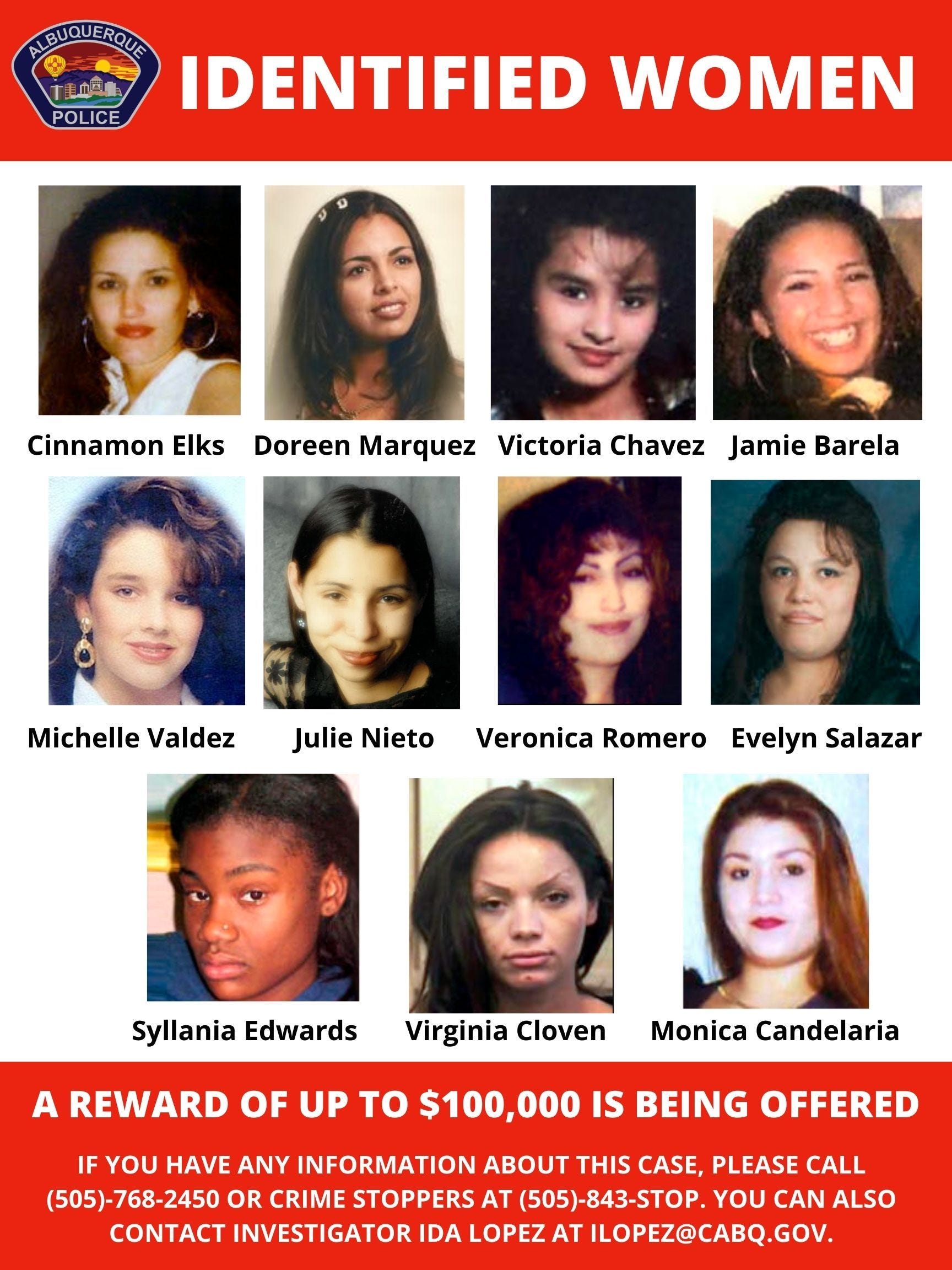
7. The West Mesa Bone Collector (Albuquerque, New Mexico, 2009)
The Discovery on the Desert Mesa
In February 2009, a woman walking her dog on an undeveloped desert plateau known as the West Mesa, on Albuquerque’s western fringe, noticed a human femur protruding from the dry earth. What began as a surface recovery transformed into the largest homicide excavation in New Mexico history.
Forensic anthropologists and the Albuquerque Police Department (APD) excavated a sprawling ninety-eight-acre construction sector, unearthing the skeletal remains of eleven women and an unborn fetus, buried between 2003 and 2005. All victims were young women aged fifteen to thirty-two, predominantly Hispanic, involved in street-level sex work or battling severe substance abuse. The burials were shallow, scattered across individual improvised trenches rather than a mass grave, indicating the killer returned to the mesa methodically over a multi-year timeline.
Because of the desert environment, the bodies had skeletonized completely. The medical examiner could not determine a definitive anatomical cause of death for most victims due to the absence of soft tissue, though blunt force trauma and strangulation are strongly suspected.
Forensic Challenges and Citywide Neglect
The West Mesa case exposed structural systemic blind spots within urban law enforcement. Between 2003 and 2006, numerous families filed missing-persons reports regarding young women disappearing from East Central Avenue—Albuquerque’s primary sex-work corridor. Due to transient lifestyles and drug arrests, these disappearances were treated as low-priority runaways or deliberate relocations.
Forensic recovery yielded little physical evidence:
No clothing or personal belongings were recovered with many of the remains.
No shell casings, projectile fragments, or binding materials survived in the shifting desert soil.
The killer appeared to understand that dry, arid soil accelerated decomposition and suppressed biological DNA transfer.
The APD faced internal turmoil during the early phases of the investigation, resulting in the reassignment of key homicide detectives and lost investigative momentum. Over 1,000 men who had patronized sex workers in the corridor were logged into databases, but linking any individual to remote desert burials without direct physical evidence proved insurmountable.
The Suspect Pool
Lorenzo Montoya: Montoya lived within three miles of the burial site. In 2006, a dirt-bike track mapped by police revealed tire tracks matching his vehicle near the graves. In December 2006, Montoya strangled a 19-year-old sex worker at his home; when her boyfriend arrived looking for her, he shot Montoya dead. After Montoya’s death, the disappearances along East Central Avenue abruptly ceased. However, while circumstantial evidence strongly connects Montoya to the corridor, DNA sweeps of his home and vehicle yielded no direct forensic linkage to the eleven recovered bodies.
Joseph Blea: A prolific Albuquerque serial rapist active in the late 1980s and 1990s, convicted of raping multiple young girls. Blea lived in the immediate vicinity and frequented the corridor, but no definitive DNA match links him to the burials.
Ron Erskine and Fred Reynolds: Both were investigated due to violent sexual deviations and documented interactions with the specific victims, but Reynolds died of natural causes in 2009 without physical evidence tying him to the graves.
The APD continues to treat the West Mesa murders as an open investigation, utilizing genetic genealogists to analyze satellite imagery, historic excavation equipment schedules, and unidentified DNA profiles found on the periphery of the mesa.
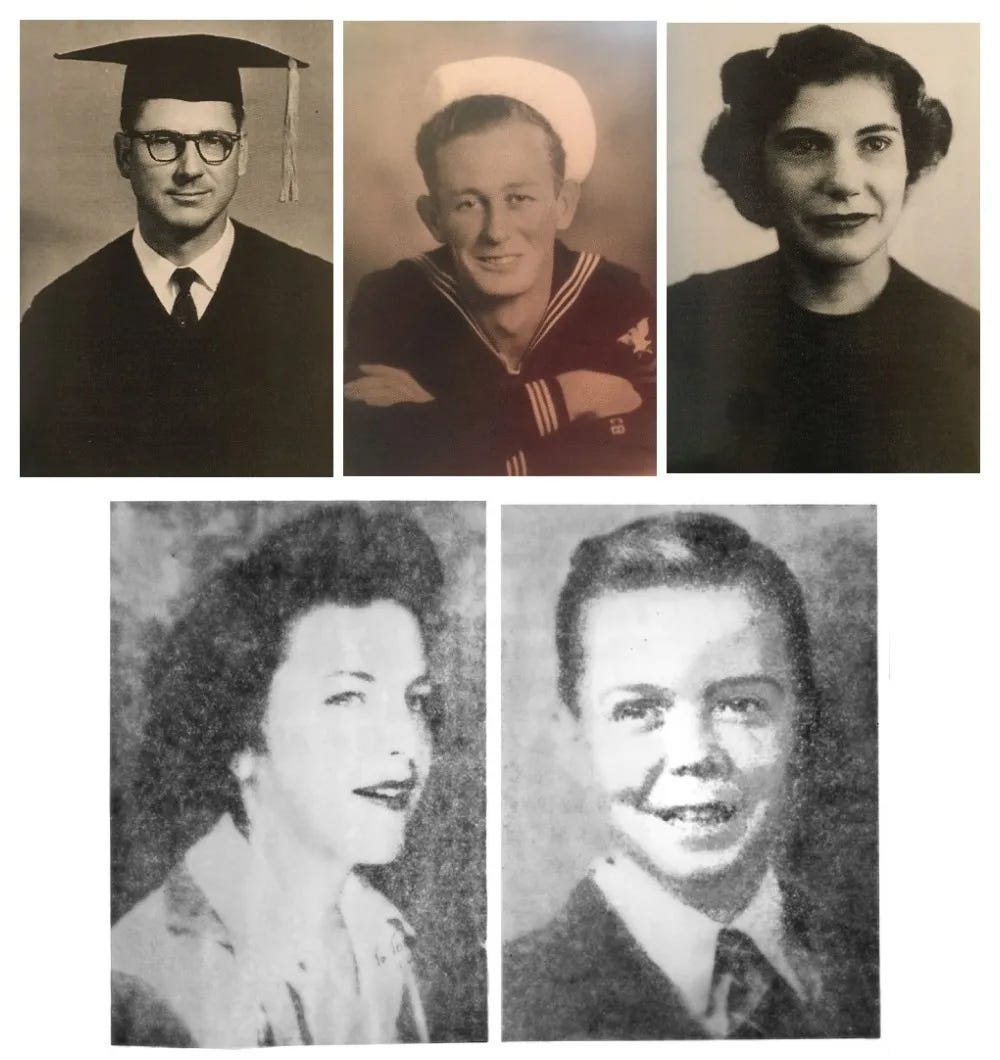
8. The Texarkana Moonlight Murders: The Phantom Killer (Texas/Arkansas, 1946)
A Border Town Under Siege
In the spring of 1946, the twin-city border community of Texarkana (straddling Texas and Arkansas) was terrorized by a masked predator who struck at three-week intervals under the cover of weekend darkness.
The attacks began on February 22, 1946, when Jimmy Hollis and Mary Jeanne Larey were assaulted in a car on a lovers’ lane. A man wearing a white cloth sack with eyeholes cut out beat Hollis with a heavy pistol, fracturing his skull, before sexually assaulting Larey. Both survived.
On March 24, Richard Griffin and Polly Ann Moore were found shot through the back of the head in a parked sedan on a rural lane. On April 14, 15-year-old high school saxophone player Paul Martin and 16-year-old Betty Jo Booker were gunned down; Martin’s body was left along a highway, and Booker was found two miles away, executed with the same .32-caliber Colt pistol.
The final attack occurred on May 3, when the killer shifted from lovers’ lanes to a residential assault. He fired through the window of an isolated farmhouse, striking 37-year-old farmer Virgil Starks in the head, killing him instantly. His wife, Katy Starks, was shot twice in the face while attempting to call the police, but miraculously crawled to a neighbor’s house to raise the alarm.
The attacks generated mass hysteria. Citizens turned Texarkana into an armed fortress, booby-trapping doors, barricading windows, and clearing gun shop shelves across two states. Legendary Texas Ranger Manuel “Lone Wolf” Gonzaullas was dispatched to lead a multi-agency manhunt.
The Forensic Reality of 1946
The “Phantom Killer” exhibited a calculated operational evolution. In early attacks, he targeted vulnerable lovers’ lanes; by May, he carried out home invasions.
Forensic evidence was sparse:
The primary ballistic link was the consistent use of a .32-caliber automatic pistol firing Western Super-X ammunition across the scenes.
Tire tracks found at the scenes belonged to common automobile brands of the era, impossible to tie to an individual owner.
Shoe prints showed size 8 or 9 military boots.
Bloodhounds repeatedly lost scent trails at the edges of paved highways, proving the killer utilized a getaway vehicle parked nearby.
Because the attacker wore a white cotton mask (described variously as a flour sack or a pillowcase), eyewitness descriptions were minimal: a tall male, between five feet eleven and six feet, with a husky build.
The Youell Swinney Enigma
The preeminent suspect was Youell Lee Swinney, a 29-year-old career criminal and car thief with a long history of violent offenses. Swinney was arrested in July 1946 for auto theft by Texas Ranger M. T. “Red” Gonzaullas and Arkansas State Police.
During police interrogations, Swinney’s wife, Peggy Swinney, gave detailed statements implicating her husband as the Phantom Killer, providing specific details regarding the murders of Griffin, Moore, and the Starks couple. However, Peggy subsequently invoked marital privilege and refused to testify against him in open court, and Texas law at the time barred a spouse from testifying against her partner.
Fearing that an acquittal for murder would permanently release a serial killer, prosecutors opted to try Swinney as a habitual offender for automobile theft. He was sentenced to life imprisonment in 1947. Notably, after Swinney was incarcerated, the Moonlight Murders ceased permanently. Swinney was released on parole in 1973 and died in a nursing home in 1994 without ever being charged with the slayings.
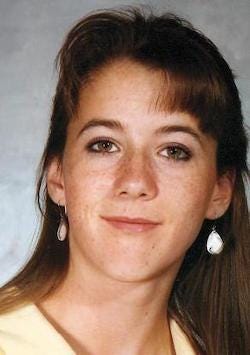
9. The Disappearance of Tara Calico (Valencia County, New Mexico, 1988)
The Bicycle on Highway 47
On the morning of September 20, 1988, 19-year-old Tara Calico left her home in Belen, New Mexico, to go on her routine thirty-six-mile bicycle ride along New Mexico State Road 47. Knowing her mother worried about rural highways, Calico jokingly told her to come find her if she wasn’t home by noon.
When Tara failed to return, her mother, Patty Doel, drove the route and found no sign of her daughter. Later that day, police recovered pieces of Tara’s Sony Walkman cassette player and a cassette tape scattered on the shoulder of Highway 47. Doel believed Tara intentionally dropped the cassette fragments to mark her trail.
Witnesses reported seeing a light-colored (possibly white or gray) 1953 Ford pickup truck with a camper shell following Calico closely as she rode north. Calico’s custom pink neon Huffy mountain bike has never been located.
The Polaroids and the Media Phenomenon
The case took a viral turn on June 15, 1989, when a woman in Port St. Joe, Florida, discovered a Polaroid photograph in the parking lot of a convenience store where a white Toyota cargo van had been parked.
The photo depicted a young woman and a younger boy, both bound with duct tape over their mouths and their arms tied behind their backs, lying on bedding in what appeared to be the interior of a passenger van. Next to the woman was a paperback copy of V.C. Andrews’ novel My Sweet Audrina.
Patty Doel examined the photograph and was convinced the young woman was Tara, citing a distinct scar on her shoulder matching an injury Calico sustained in an automobile accident. Scotland Yard analyzed the photograph and concluded it was Calico, while Los Alamos National Laboratory analysis proved inconclusive, and the FBI’s photo comparison unit officially maintained that the photo was not Tara. In subsequent years, two other disturbing Polaroid photos surfaced across the United States, but none produced a forensic link to Calico.
Local Truth vs. National Myth
While the Florida Polaroid dominated national television specials like Unsolved Mysteries, Valencia County investigators grew convinced the Polaroid was a red herring that distracted from a local cover-up in Belen.
In 2008, former Valencia County Sheriff Rene Rivera publicly named his theory: local teenage boys driving a pickup truck had followed Tara along Highway 47, harassing her. The truck hit her bicycle from behind, causing severe injuries. Panicking, the occupants placed Tara into the truck, drove to a remote section of the desert, murdered her, and buried her body and bicycle. Rivera claimed law enforcement knew the identities of the perpetrators and their parents, who allegedly assisted in concealing the crime, but lacked sufficient physical evidence or a body to secure grand jury indictments.
In June 2023, the Valencia County Sheriff’s Office and the FBI announced a major development: they had identified persons of interest and were submitting sealed affidavits to the district attorney’s office. While formal charges remain pending, modern consensus among New Mexico detectives is that Tara never left Valencia County alive on that September morning.

10. The Disappearance of Asha Degree (Shelby, North Carolina, 2000)
Walking into the Storm
At approximately 3:30 AM on February 14, 2000, in the rural town of Shelby, North Carolina, nine-year-old Asha Degree quietly packed her black bookbag with clothing, a Tweety Bird purse, and family photographs, and walked out of her bedroom into a pitch-black freezing rainstorm.
Between 3:45 AM and 4:15 AM, two separate motorists driving along Highway 18 reported seeing a small child walking alone south along the rural road, wearing a white long-sleeved shirt and white jeans. When one motorist turned his commercial truck around to investigate, Asha veered off the road and ran into the adjacent dark woods. That was the last confirmed sighting of Asha Degree alive.
Her disappearance baffled investigators. Asha was a quiet, sheltered, deeply religious fourth-grader who was afraid of the dark and thunderstorm weather. Her family lived a structured life without internet access in the home, eliminating online grooming as an immediate vector.
The Shed and the Double-Wrapped Backpack
Three days after her disappearance, search teams located sweet candy wrappers, hair ribbons, and a green marker in the doorway of an equipment shed at a business along Highway 18 near where she had run into the woods. The family identified these items as Asha’s.
The case remained frozen until August 3, 2001, when a construction excavator working fifty miles away along Highway 18 in Burke County dug into the earth and discovered Asha’s black bookbag. The bag had been sealed inside two heavy black plastic garbage bags—a clear forensic signature of deliberate concealment by an outside perpetrator. Inside were items that did not belong to Asha, including a copy of Dr. Seuss’s McElligot’s Pool (stamped from her school library) and a New Kids on the Block concert t-shirt, indicating that someone had supplied or placed extraneous materials alongside her belongings.
Modern Breakthroughs and Investigative Realities
For decades, investigators chased a phantom tip: a dark green 1970s-era Lincoln Continental Mark IV or Ford Thunderbird that a witness reported seeing Asha enter on Highway 18.
In September 2024, the investigation shifted definitively toward resolution. The FBI, North Carolina SBI, and Cleveland County Sheriff’s Office executed extensive multi-day search warrants across several properties owned by the Dedmon family on Cherryville Road in Shelby. A 1960s-era green vehicle matching the profile was seized directly from the property.
Search warrants revealed a major forensic breakthrough: DNA extraction from a rootless hair recovered from Asha’s double-wrapped backpack in 2001 had been processed using specialized modern whole-genome sequencing, yielding a familial genealogical match connecting physical evidence directly to members of the Dedmon family. Search warrants filed in early 2025 indicated authorities reclassified the case as a concealed homicide investigation, centering on text messages and historical statements.
After a quarter-century of silence, the Asha Degree file demonstrates how third-generation DNA analysis is actively closing the gap between historical mysteries and courtroom accountability.
Here’s one for you that I really wish will be solved one day. Thirteen years ago in my neighborhood, a seven year old boy was killed by a falling bullet on the Fourth of July. Some idiot went out with all the fireworks going off and shot a pistol in the air, and it came down on the poor kids head and killed him. I always wondered, “where were the witnesses”? You know that if people were partying and some drunk shoots his gun in the air that someone would put 2 and 2 together when the news broke.The obvious is that some loner went out and shot his pistol and when he discovered what happened, kept his mouth shut. But I will always wonder.
My heart just breaks for all the deceased and their loved ones. I had really thought we would get some forward momentum with Asha earlier in the year but things seem to have quieted down. I hope that just means they are gathering more information and not at a dead end. This was well-done and definitely introduced me to a couple cases I was unfamiliar with.