


Shadows Along the Highway: Growing Up, Speaking Out, and the Unanswered Questions of I-40
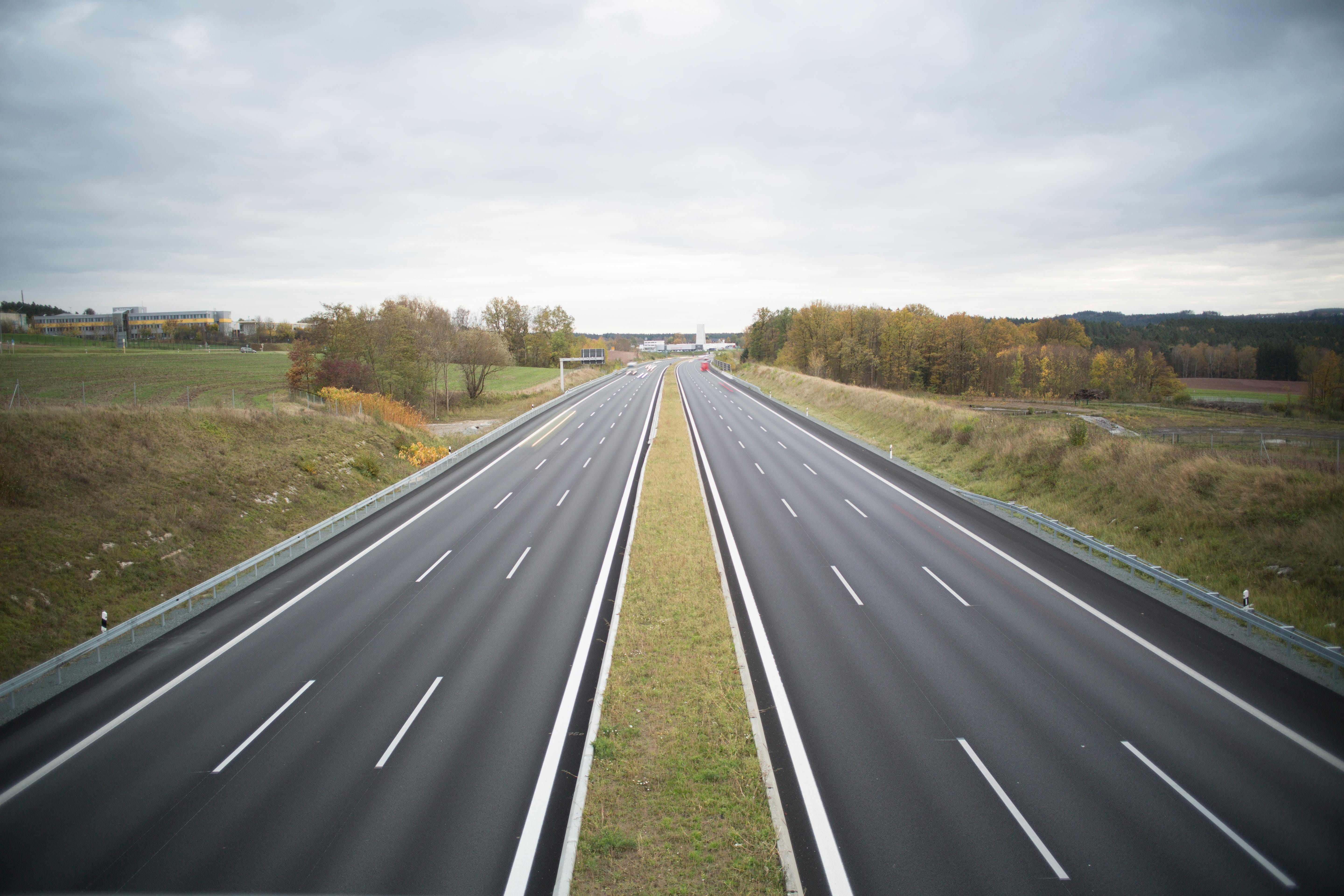
When you grow up in a place long enough, the stories don’t feel like stories anymore. They feel like weather—always present, sometimes calm, sometimes violent, but never fully gone. In a recent interview with a childhood friend, we revisited the uneasy truths that surrounded our upbringing in Sequoyah County, where Interstate 40 cut straight through our community like an artery—and, at times, like an open wound.
What began as a conversation about memory turned into something heavier: missing women, whispers of sex trafficking along the highway, serial killers who exploited mobility and anonymity, and a local sheriff’s race clouded by allegations of corruption and cartel influence. None of these topics are new to the people who grew up there. What’s new is the willingness to say them out loud.
Remembering Charity Beallis: When a Name Becomes a Warning
The conversation returned again and again to Charity Beallis. For locals, her name is more than a case file—it’s a marker in time. A reminder of how quickly someone can disappear, and how slowly answers arrive.
Charity’s story is emblematic of a deeper fear many young women in the area grew up with: that the system wasn’t built to protect them. That disappearances were treated as inconveniences. That silence often followed initial outrage. Whether her case is discussed in official terms or whispered in kitchens and parking lots, the effect is the same—it shaped how an entire generation understood safety.
We didn’t talk about Charity as an abstract victim. We talked about her as someone who could have been any of us, any of our friends, any girl driving the wrong stretch of road at the wrong time.
Sex Trafficking Along I-40: The Open Secret
Interstate highways are designed for speed, not scrutiny. That’s why traffickers use them.
In Sequoyah County, the idea that sex trafficking operates along I-40 was never shocking—it was normalized. Truck stops, rest areas, motels, and transient labor created the perfect ecosystem for exploitation to hide in plain sight. As kids, we noticed the patterns before we understood them: women who appeared briefly and vanished, men who asked too many questions, rumors that felt too consistent to ignore.
During the interview, my friend said something that lingered with me: “We all knew. We just didn’t know what to do with that knowledge.”
That’s the most dangerous kind of truth—the kind everyone shares, but no one is empowered to confront.
Serial Killers and the Highway Advantage
I-40 has been linked—officially and unofficially—to multiple serial offenders over the decades. The reasons are chillingly practical. Highways allow killers to move victims across jurisdictions, confuse timelines, and exploit gaps between local law enforcement agencies that don’t always communicate effectively.
For people who grew up near that corridor, the idea of “I-40 serial killers” isn’t sensational—it’s contextual. We were taught early to check our surroundings, memorize license plates, and never assume help was coming quickly.
What struck me during the interview wasn’t fear—it was resignation. The sense that danger was part of the landscape, like storms or floods. You prepared for it, but you didn’t expect anyone to stop it.
Power, Silence, and the Sheriff’s Race
The most volatile part of our discussion centered on a local sheriff’s race that fractured trust in law enforcement itself. Allegations circulated—never fully resolved—that individuals connected to the race were paid off by cartel-linked interests to look the other way.
To be clear: these are allegations, widely discussed locally, never conclusively adjudicated in public view. But their impact was real. When people believe their top law enforcement officials may be compromised, every unsolved case becomes suspect. Every delayed response feels intentional. Every disappearance carries a darker implication.
What It Means to Speak Now
What we talked about reflects the lived reality of many rural communities intersected by major highways—places where crime can pass through without stopping, but consequences remain forever. Where young people grow up learning what not to say. Where survival often depends on awareness, not authority.
Speaking now matters because silence is part of how these systems endure. Telling these stories doesn’t rewrite the past, but it challenges the future. It tells victims they weren’t invisible. It tells communities they weren’t imagining things. And it tells those in power that memory outlasts intimidation.
The highway is still there. The questions are still there. But so is the truth—and it’s finally being spoken.


