



Case File Analysis | Perinatal Psychiatric Forensics & Criminal Culpability
On the afternoon of January 24, 2023, Patrick Clancy stepped away from his home office in Duxbury, Massachusetts, to run two routine suburban errands: picking up children’s laxative at a CVS pharmacy and collecting takeout from a restaurant in nearby Plymouth. The round trip took roughly 55 minutes.
When he pulled back into the driveway shortly after 6:00 p.m., the silence inside the home was immediate and unnatural. Within moments, Patrick found his wife, Lindsay Clancy, critically injured on the ground outside after leaping from a second-story window. Following her faint, whispered directions to look in the basement, his world dissolved into a recorded 911 call that would later echo through pretrial hearings and court records: five-year-old Cora, three-year-old Dawson, and eight-month-old Callan had been strangled with exercise bands.
In the immediate shock of the tragedy, public sympathy anchored firmly around Patrick—the father who had lost his entire family in an hour. But as forensic files, medical histories, and investigative disclosures entered the public record, an intense, polarized debate emerged: What did Patrick Clancy know before that evening, and how should that knowledge frame our judgment of both him and Lindsay?
The Architecture of Knowledge: What Was on the Radar
Court testimony, medical filings, and investigative disclosures map a granular, month-by-month timeline of Lindsay Clancy’s psychiatric unraveling. Patrick did not live in ignorance of her suffering; he was an active witness to it.
A Documented Postpartum Decline: Following the birth of their third child, Callan, in May 2022, Lindsay’s mental health deteriorated. By October 2022, Patrick was acutely aware of her severe insomnia, debilitating anxiety, and emotional withdrawal. Notes recovered from Lindsay’s phone detailed a profound emotional detachment from the children and an agonizing obsession over her inability to bond—realities Patrick observed firsthand in their daily home life.
The Polypharmacy Spiral: Over approximately four months, Lindsay was prescribed more than a dozen psychiatric medications, cycling through SSRIs, SNRIs, benzodiazepines, mood stabilizers, and sedatives. Patrick did not simply know about these prescriptions; he lived alongside their violent side effects and rapid tapering cycles. Lindsay repeatedly reported feeling emotionally flatlined, describing herself as a “zombie” or experiencing intense, chemically induced agitation—concerns Patrick actively discussed with her outpatient providers.
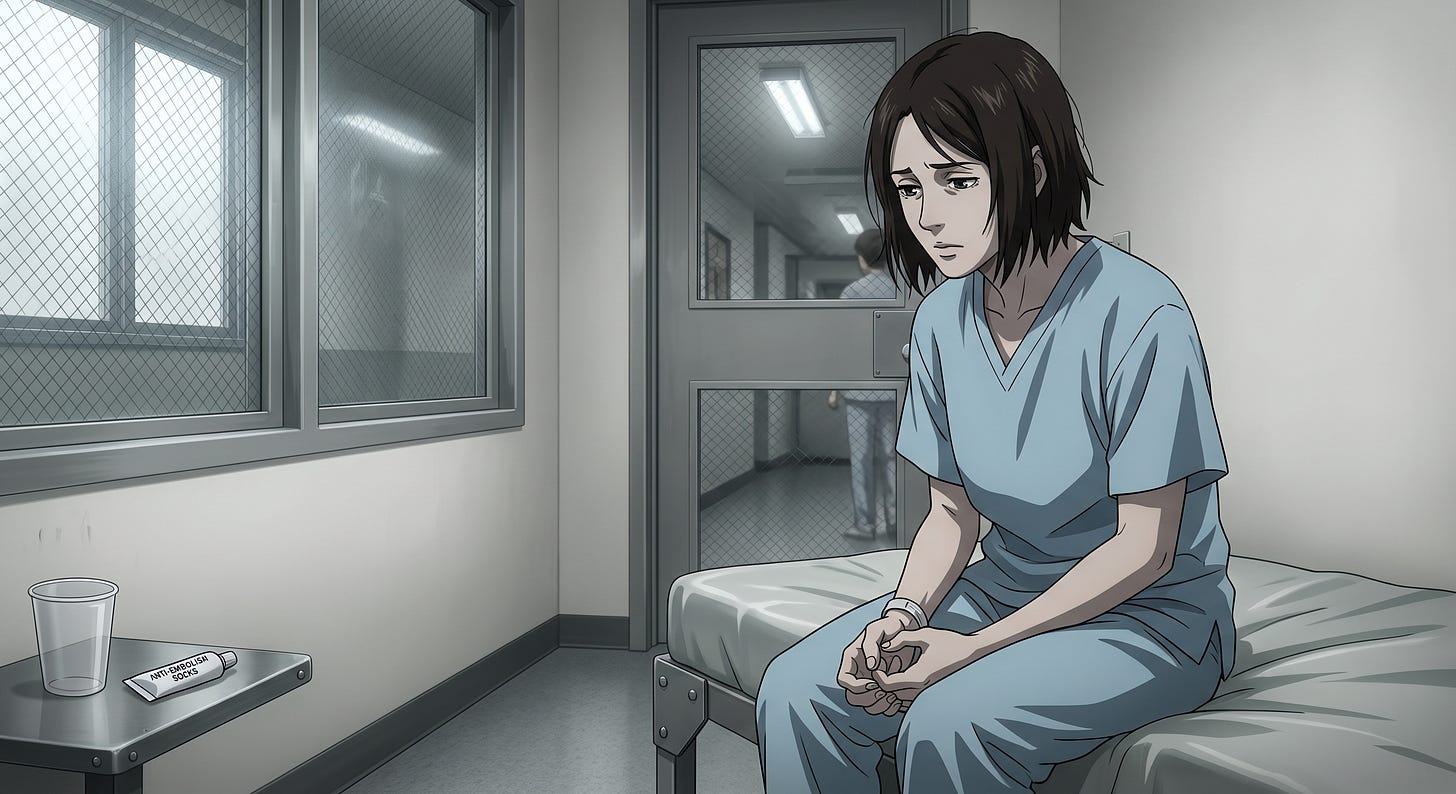
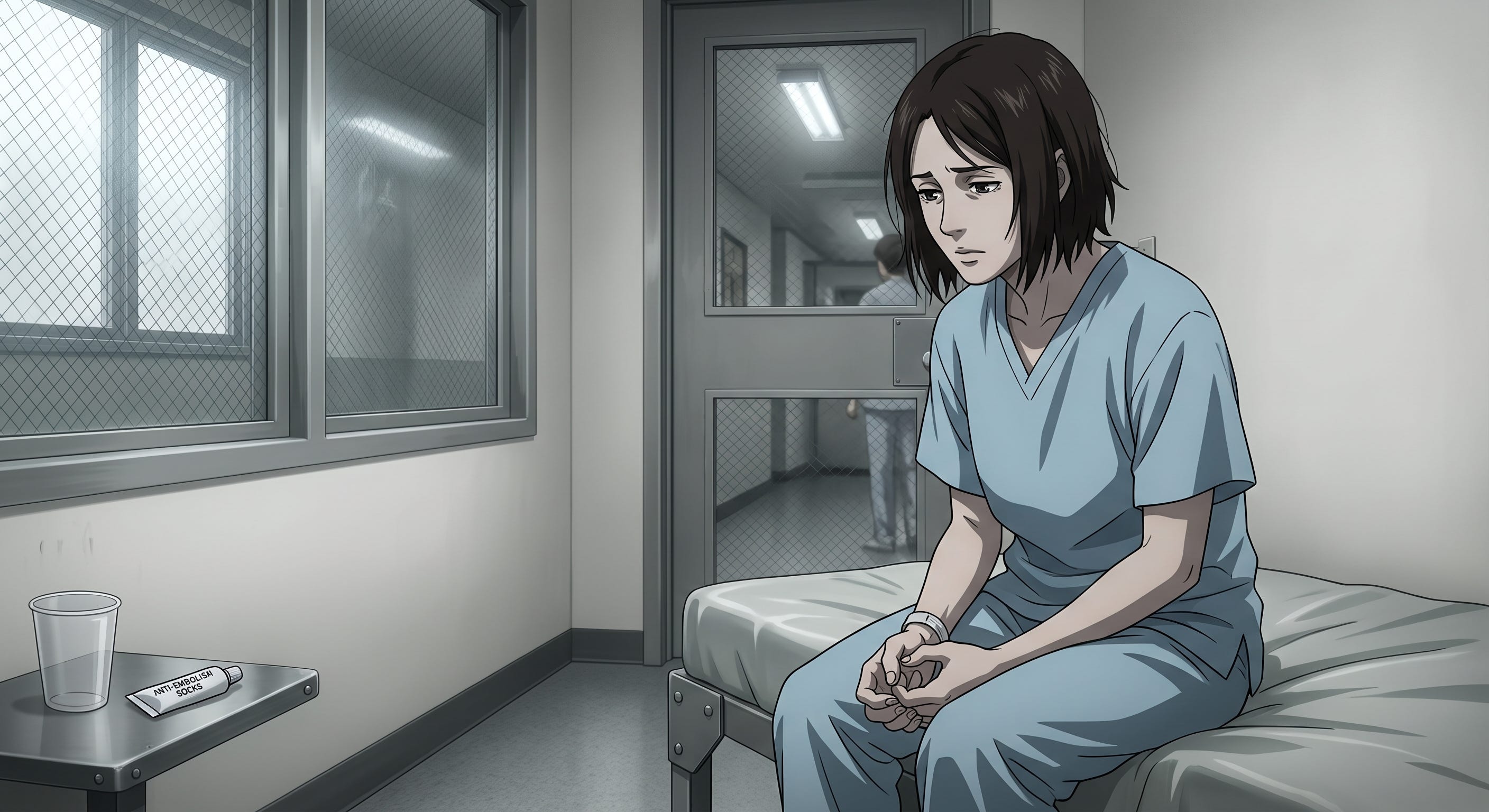
Inpatient Psychiatric Admission: In late December 2022, Lindsay’s crisis reached an acute inflection point. On New Year’s Eve, she checked herself into McLean Hospital, one of the premier psychiatric institutions in Massachusetts. Patrick drove her there, remained in communication with clinical staff, and brought her home when she was discharged on January 5, 2023—just 19 days before the homicides.
The “Good Day” Trap: On the day of the killings, Lindsay built a snowman outside with the children, took Cora to a medical appointment, and appeared, in Patrick’s words, to be having “one of her best days” in months. Patrick later testified that he perceived zero imminent danger when Lindsay suggested he run out for dinner and medicine.
The Anatomy of the Blind Spot: What He Did Not Know
The core forensic problem in evaluating Patrick Clancy lies in the clinical gulf between knowing a partner suffers from treatment-resistant postpartum depression and knowing she has crossed into homicidal psychosis.
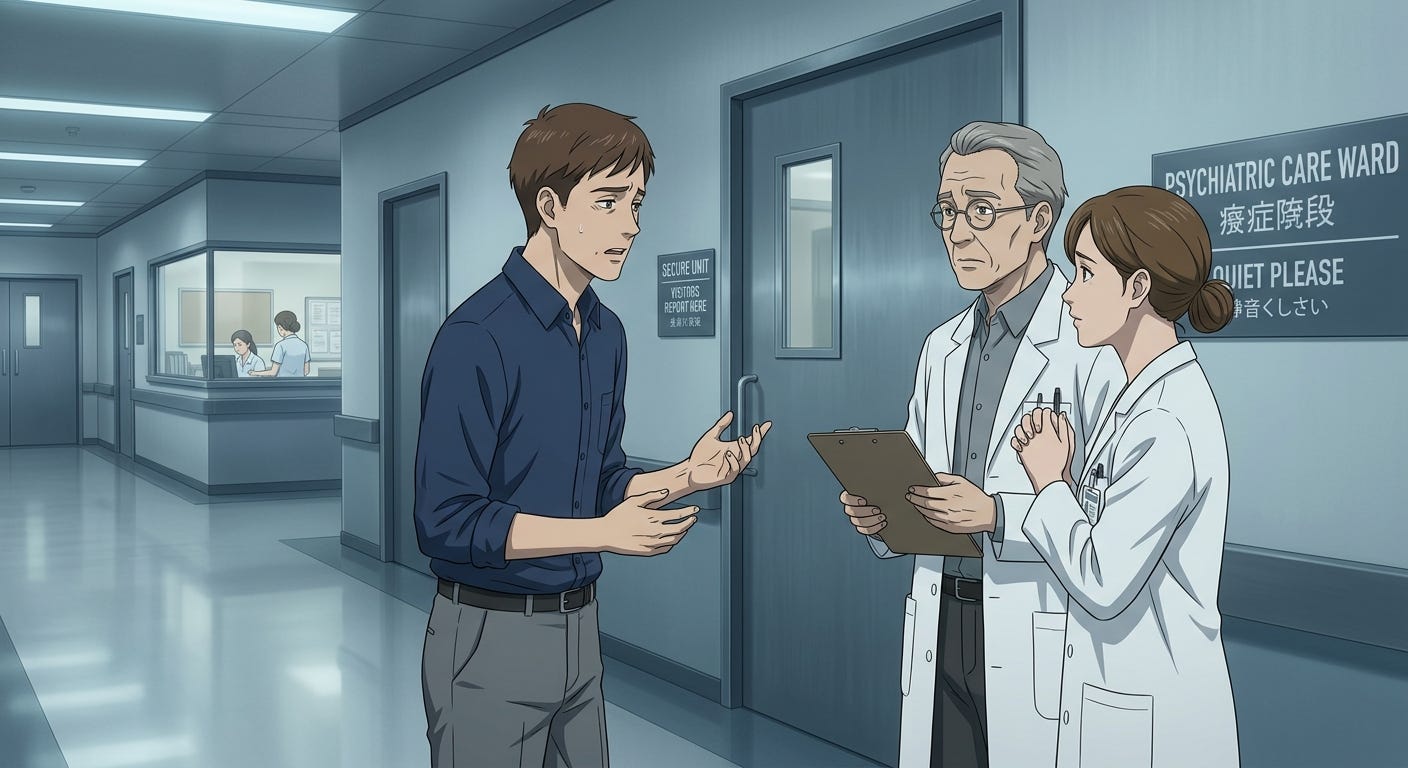
Forensic analysis and medical discovery revealed severe internal symptoms Lindsay concealed from both her husband and her care team:
Concealed Digital Footprints: Forensic extraction of Lindsay’s phone and computer uncovered searches for terms including “hallucinations,” “psychosis,” and “bipolar disorder” in the weeks leading up to January 24. These searches were never disclosed to Patrick or her treating clinicians.
The “Command” Auditory Hallucinations: Defense psychiatric experts detailed that Lindsay had begun hearing an internal voice telling her that she had to “save” her children before they were harmed or corrupted. Patrick was never informed of these voices. Crucially, during an evaluation on January 23—the day before the killings—Lindsay explicitly denied hallucinations, suicidal ideation, or homicidal thoughts to her medical team.
The Shield of Clinical Clearance: Patrick relied on the guidance of licensed clinicians. At no point during her discharge from McLean or subsequent outpatient appointments was Patrick warned: “Do not leave Lindsay alone with the children.” Rather, discharge protocols encouraged a gradual return to normal parenting routines to rebuild confidence and lower anxiety.
As Patrick later reflected in public interviews:
“Mental illness has this ability to be tragically deceptive. I’m sure there are things that I didn’t see. I didn’t know how to manage a postpartum illness... I did the best I could with what I had at the time.”
Why What Patrick Knew Matters When Judging Them
In investigative forensics and the public evaluation of catastrophic domestic homicides, observers often attempt to reduce events to a simple binary of perpetrator and negligent bystander. The Clancy case resists this framework.
1. In Judging Lindsay Clancy
Understanding what Patrick observed—and the critical symptoms Lindsay masked—is central to evaluating postpartum psychosis, dissociative breaks, and criminal responsibility.
The Prosecution’s Deliberation Argument: The state argued that Lindsay demonstrated rational planning: choosing a window of time where Patrick would be gone for nearly an hour, mapping out the route, and maintaining a calm, coherent voice when Patrick phoned from CVS to confirm the medicine brand. To prosecutors, outward functioning proves calculated premeditation.
The Forensic Defense Reality: Clinical psychosis does not always present as visible mania or cinematic disorganization. Delusional patients frequently mask distress out of fear of forced hospitalization or because they believe their internal directives are objectively necessary. Patrick’s observation that she was having a “good day” highlights the deceptive calm common in dissociative breaks—where outward executive function remains intact while internal reality has fractured completely.
2. In Judging Patrick Clancy
Internet commentary and true-crime spaces have frequently subjected Patrick to harsh retrospective scrutiny: Why would a father leave three children alone with a mother 19 days out of an inpatient psychiatric facility?
Judging Patrick through hindsight imposes an unreasonable standard on family caregivers:
The Presumption of Clinical Omniscience: Blaming Patrick assumes a spouse should possess sharper diagnostic foresight than the board-certified psychiatrists who evaluated her 24 hours earlier. When multiple medical teams clear a patient for outpatient life without restrictive mandates, a spouse has no clinical authority or warning system to override that judgment.
The Displacement of Institutional Failure: Both Patrick and Lindsay have pursued legal remedies against treating networks, focusing on rapid polypharmacy, medication cross-tapering, and insufficient post-discharge monitoring. To reframe Patrick’s compliance with clinical instructions as personal neglect shifts accountability away from systemic failures in perinatal healthcare.
The Cold Case Perspective
Patrick Clancy was neither an accomplice nor an all-seeing guardian who failed a test of vigilance. He was an exhausted partner attempting to manage an aggressive medication regimen, relying on professional reassurances, and mistaking the quiet of a dissociative break for the beginnings of recovery.
When analyzing Lindsay Clancy, Patrick’s testimony demonstrates how deep the cognitive break ran—so hidden that it evaded the person sharing her home. And in evaluating Patrick, the investigative record reveals not complicity, but the devastating reality of severe perinatal illness: that without proper clinical alarms, the line between a good day and an unimaginable tragedy can be entirely invisible to the naked eye.