

Osceola County Sheriff Cracks Two Cold Cases, Including 2007 Stabbing
Osceola County Sheriff is Cracking Cold Cases

Justice Delayed But Not Denied: Osceola County Sheriff’s Office Cracks Two Cold Cases, Including 2007 Stabbing
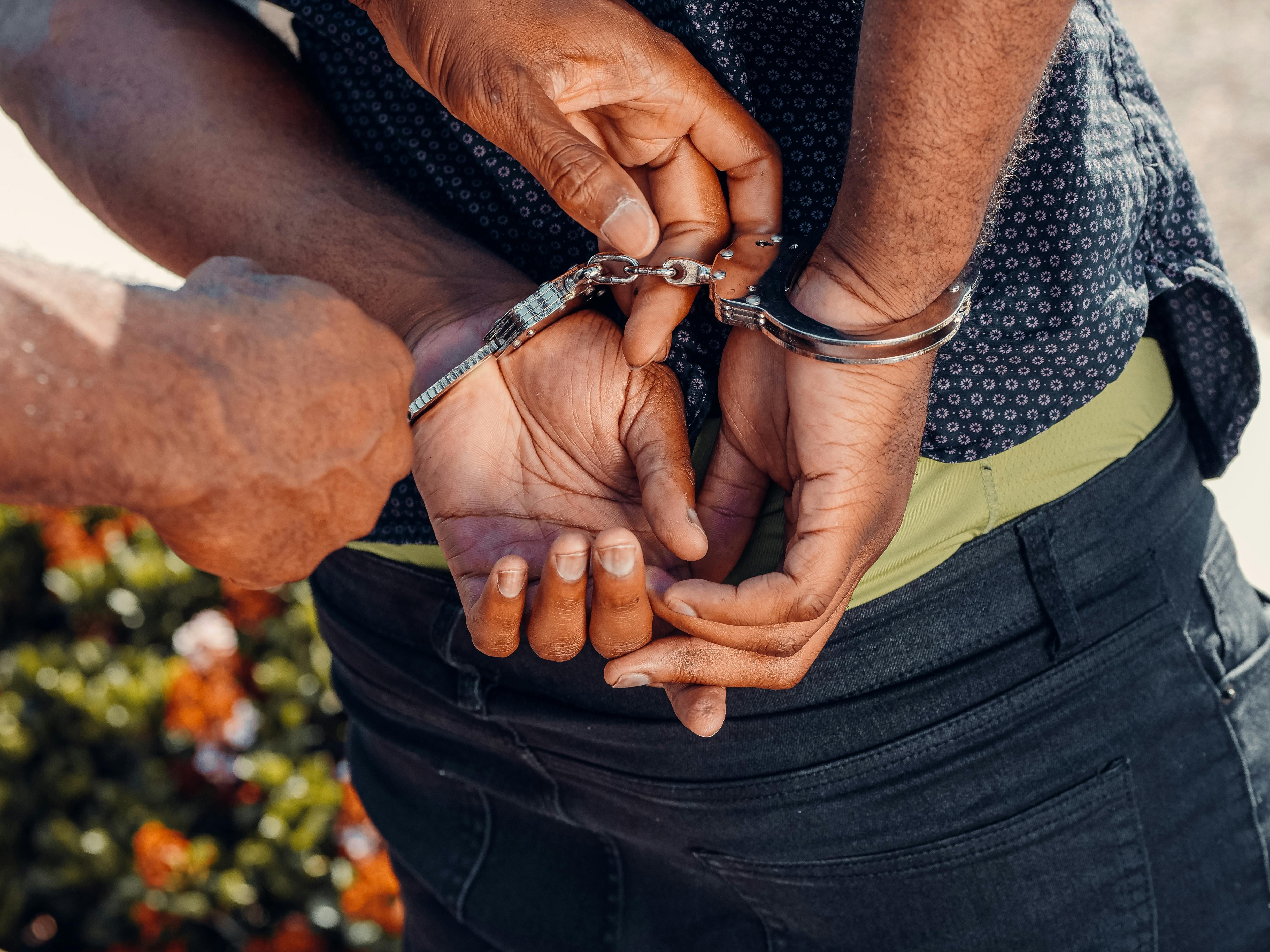
In a significant breakthrough that brings closure to grieving families after years of uncertainty, the Osceola County Sheriff’s Office announced Tuesday that its newly formed Cold Case Program has successfully resolved two homicide investigations, including one dating back to 2007. The developments mark a promising start for the unit, which is now actively working on 32 additional unsolved cases stretching as far back as 1978.
The announcement represents more than just closed cases—it symbolizes hope for dozens of families who have spent years, and in some cases decades, waiting for answers about their loved ones’ deaths. For a community that has long grappled with unsolved violent crimes, the creation of the dedicated cold case unit signals a renewed commitment to pursuing justice, regardless of how much time has passed.
A Mother’s Long Wait Ends: The 2007 Case of De’Andre Wellnitz
Perhaps the most emotionally resonant of the two solved cases involves the 2007 death of 17-year-old De’Andre Wellnitz, a former football player at Gateway High School whose promising life was cut short during a house party in Buenaventura Lakes. On June 24, 2007, what should have been a typical teenage gathering turned tragic when Wellnitz suffered a fatal stab wound to the chest at a residence on Ivy Lane.
For eighteen years, the case remained unresolved, leaving Wellnitz’s family in a state of perpetual grief and uncertainty. His mother, Kelly McDonald, carried the weight of not knowing what truly happened to her son for nearly two decades—a burden that no parent should have to bear.
The breakthrough came when the cold case unit, established in October 2024, re-examined the evidence and circumstances surrounding Wellnitz’s death. Through renewed investigative efforts, detectives identified and located a person of interest in Orlando in September 2025. During an interview with investigators, the individual admitted to being present at the 2007 party and provided crucial details about the fatal encounter.
According to the Sheriff’s Office, the subject explained that during a fight at the party, he had been struck and, in an attempt to defend himself, picked up a kitchen knife. As he stood and waved the weapon to keep others at a distance, Wellnitz was fatally wounded. After carefully reviewing the circumstances and evidence, investigators determined that the individual had acted in self-defense, and no charges would be filed.
While the resolution may not have been what the family initially hoped for, it provided something equally valuable: closure. Kelly McDonald expressed profound gratitude for finally understanding what happened to her son after eighteen years of uncertainty.
“I want to thank the Sheriff’s Office for the amazing job they did investigating the case,” McDonald said. “Eighteen years and then an angel appeared. It was truly an answered prayer that it was solved. I’m able to stop playing the story I’ve had in my head for 18 years, and now I have peace, and I’m so grateful for that.”
Her words underscore a fundamental truth about cold cases: resolution, even when it doesn’t align with initial expectations, provides families with the ability to process their grief and move forward. The unknown is often more torturous than the truth, however difficult that truth may be to accept.
Justice Served: The 2022 Shooting of Jommil Baez-Quinones
The second resolved case involved the February 23, 2022, fatal shooting of 23-year-old Jommil Baez-Quinones on Indian Point Circle off Poinciana Boulevard. Unlike the 2007 case, this investigation concluded with an arrest and formal charges, demonstrating the varied outcomes that cold case investigations can produce.
Baez-Quinones was shot multiple times and died at the scene, but despite exhaustive investigative efforts at the time, the case eventually went cold as leads dried up. Like many violent crimes that remain unsolved, the case was inactivated but not forgotten, waiting for new information or renewed investigative attention.
When the cold case unit reopened the investigation in October 2024, detectives were able to develop new leads and ultimately secure an arrest warrant for Luis Eluvar Gonzalez, now 23 years old. With assistance from U.S. Marshals, Gonzalez was located and taken into custody. He was booked into the Osceola County Jail and formally charged by the State Attorney’s Office on September 19 with first-degree manslaughter and robbery with a firearm.
The successful resolution of this case demonstrates the importance of persistence in cold case investigations. Even when initial efforts fail to produce results, continued attention and fresh perspectives can uncover crucial evidence or witnesses that lead to arrests and prosecutions.
A New Approach to Old Cases
The successful resolution of these two cases can be directly attributed to the establishment of the Sheriff’s Office Cold Case Program in October 2024. Sheriff Christopher Blackmon emphasized that prior to last year, no formal review process existed for examining unsolved murders in Osceola County.
“Before last year, there was no formal review in place to examine the unsolved murders,” Blackmon explained. “Detectives in the (Criminal Investigation Department) created this cold case unit, and it’s working very well.”
The creation of dedicated cold case units represents a growing recognition among law enforcement agencies that unsolved homicides deserve continued attention and resources. These specialized units bring fresh eyes to old cases, often employing new technologies, updated forensic techniques, and different investigative approaches that may not have been available or considered during the original investigations.
The Osceola County unit’s early success validates this approach and provides hope for the dozens of other families still waiting for answers about their loved ones’ deaths.
The Long List of Unsolved Cases
While celebrating the resolution of two cases, Sheriff Blackmon acknowledged that significant work remains. The cold case unit is currently actively investigating 32 additional unsolved homicides, with the oldest case dating back to 1978. These cases represent decades of unanswered questions and grieving families still seeking closure.
Among the cases currently under investigation:
Joshua Levi Burch was just 20 years old when he was found shot at a Pleasant Hill Road 7-11 on September 5, 2010. Burch, a passenger in a pickup truck, died from his gunshot wounds in what investigators believe was a road rage incident along Pleasant Hill Road. The senseless nature of his death and the public setting suggest that witnesses may have information that could help solve this case.
Mary Traversa, 42, of Plant City, was discovered in a burning vehicle on I-4 in Osceola County on May 13, 1997. Initially, the discovery of a burning car might have appeared to be a tragic accident, but investigation revealed that Traversa had been shot before the fire was set. She was believed to have been driving home from work when she was killed, making her death particularly troubling as it occurred during a routine part of her daily life.
Lorena Perez, 29, was found deceased on Lake Tohopekaliga Road on April 7, 2006. Investigators determined that Perez had been murdered elsewhere and her body disposed of at the location where she was discovered. The effort to conceal her body suggests that the killer or killers took deliberate steps to avoid detection.
Ruth Haut disappeared from her office on John Young Parkway on February 26, 1992. The 41-year-old woman’s body was later discovered in an orange grove on the east end of Hickory Tree Road near U.S. Highway 192. Her death was ruled a homicide, but the circumstances surrounding her disappearance and murder remain unclear.
Shelley Jane Sherman, 32, was found deceased at the intersection of Sadina Drive and Kyngs Heath Road in Kissimmee on June 13, 1994. Her cause of death was particularly brutal—she died from asphyxiation and blunt force trauma, suggesting a violent and personal attack.
Teresa Hart, 34, was discovered on South Lake Avenue near Narcoossee Road on September 16, 1993. Hart, who lived in Orlando but frequently traveled by bus to Osceola County to visit the Brass Rail Bar at the corner of Starline Road and Narcoossee Road, was found dumped on a dirt road. Investigators believe she was killed at the location where her body was discovered.
These cases span decades and represent different types of homicides, from seemingly random acts of violence to potentially targeted attacks. What unites them is that they all remain unsolved, leaving families without answers and communities without justice.
The Importance of Community Involvement
Sheriff Blackmon emphasized that solving these cases requires community participation. “We’re hoping someone who can hear us can provide tips into some of these cases,” he said, acknowledging that members of the public often hold crucial information that could help solve these long-standing mysteries.
Many cold cases are ultimately solved through tips from the public—sometimes from witnesses who were initially reluctant to come forward, sometimes from individuals who remember seemingly minor details that take on new significance years later, and sometimes from people who have changes of heart or circumstances that prompt them to share what they know.
The Sheriff’s Office is clearly committed to maintaining open lines of communication with the community and encouraging anyone with information about any of these cases to come forward, regardless of how insignificant the information might seem.
Looking Forward
The successful resolution of these two cold cases represents more than just closed investigations—it demonstrates the power of persistence, the importance of dedicated resources, and the impact that renewed attention can have on seemingly hopeless cases. For the families of De’Andre Wellnitz and Jommil Baez-Quinones, these developments provide varying degrees of closure and justice.
More broadly, these successes offer hope to the families of the 32 other victims whose cases remain unsolved. They show that cases can be solved even after years or decades have passed, that investigators continue to care about these victims, and that the pursuit of justice doesn’t have an expiration date.
As the Osceola County Sheriff’s Office Cold Case Program continues its work, the community can expect to see continued efforts to solve these long-standing cases. Each solved case not only brings closure to grieving families but also serves justice, holds offenders accountable, and helps make the community safer by removing dangerous individuals from the streets.
The creation of this unit and its early successes represent a significant step forward for Osceola County law enforcement and provide a model for other agencies grappling with their own backlogs of unsolved cases. Most importantly, they send a clear message to victims’ families: your loved ones have not been forgotten, and the pursuit of justice continues, no matter how much time has passed.