

Oklahoma Police Roll Out Rapid DNA & What This Means for Cold Cases
What Rapid DNA Means for Cold Cases

Enid Police Department Leads Oklahoma’s Rapid DNA Revolution: What This Means for Cold Cases
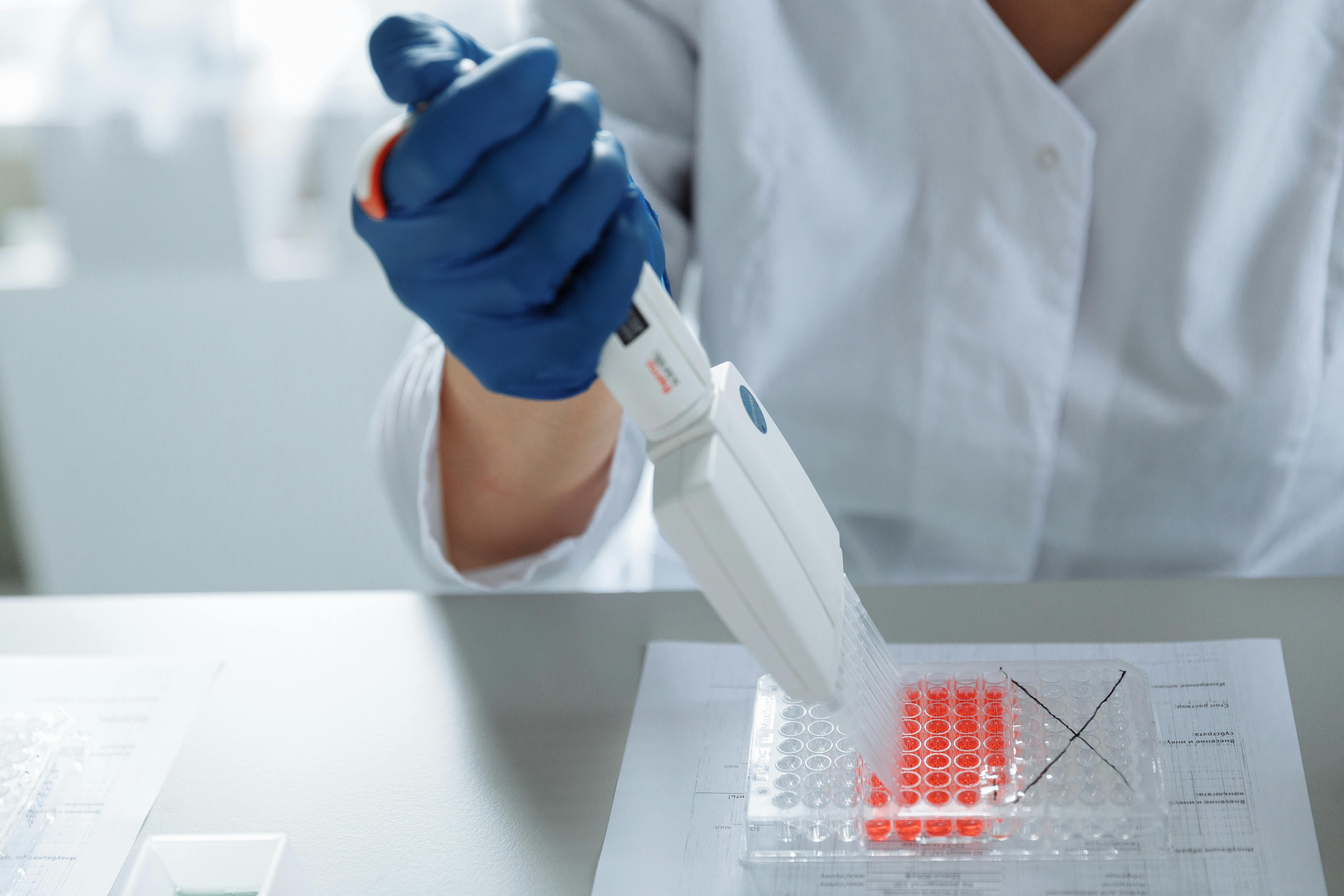
The Enid Police Department has positioned itself at the forefront of forensic technology innovation, becoming the first law enforcement agency outside of Oklahoma’s major metropolitan areas to implement Rapid DNA technology. This groundbreaking development represents a significant shift in how Oklahoma law enforcement agencies approach criminal investigations, particularly in solving cold cases that have remained dormant for decades.
The Technology That’s Changing Everything
Rapid DNA technology represents a paradigm shift in forensic science. Unlike traditional DNA analysis, which can take weeks or months to produce results, Rapid DNA systems can generate a complete DNA profile in approximately 90 minutes. The fully automated process requires no human intervention once the sample is loaded, making it accessible to trained law enforcement officers rather than requiring specialized laboratory personnel.
The Oklahoma State Bureau of Investigation (OSBI) began developing the Statewide Rapid DNA Investigative Lead Program in January 2024, with Enid Police Department selected as the pioneering agency for northwest Oklahoma. This strategic placement ensures that smaller communities, often overlooked in technological rollouts, now have access to cutting-edge forensic capabilities.
The technology works by analyzing suitable DNA samples—those with sufficient staining, robust quality, and from a single source—through an automated process that eliminates the traditional bottlenecks associated with forensic laboratory backlogs. While the samples are consumed during the testing process, the rapid turnaround time provides investigators with immediate leads that can redirect investigations while evidence and witnesses remain accessible.
A New Era for Cold Case Investigations
The implications of Rapid DNA technology extend far beyond current crime scenes. For cold case investigators, this technology represents a powerful new tool in their arsenal, offering the potential to breathe new life into investigations that have remained stagnant for years or even decades.
Traditional cold case investigations often face significant obstacles: witnesses may have died or forgotten crucial details, physical evidence may have deteriorated, and investigative leads may have gone cold. However, DNA evidence, when properly preserved, remains viable for decades. The ability to quickly process this evidence and compare it against databases containing hundreds of thousands of profiles creates unprecedented opportunities for resolution.
The integration of Rapid DNA technology with CODIS (Combined DNA Index System) and the DNA Index of Special Concern (DISC) amplifies its impact on cold cases. DISC specifically contains profiles from unsolved homicides, sexual assaults, kidnappings, and terrorism incidents. When a Rapid DNA profile matches against this database, investigating agencies receive immediate notifications, potentially providing the breakthrough needed to solve long-dormant cases.
Oklahoma’s Comprehensive Approach
Oklahoma’s implementation of Rapid DNA technology demonstrates a thoughtful, systematic approach to modernizing forensic capabilities. The OSBI has established a comprehensive training program, requiring all Rapid DNA operators to complete a three-hour CLEET-accredited certification course. This ensures that the technology is used appropriately and that results meet the quality standards necessary for investigative purposes.
The statewide program operates outside traditional laboratory accreditation requirements, allowing for broader implementation across law enforcement agencies of varying sizes. This flexibility is crucial for smaller departments like Enid, which might not have the resources to maintain full forensic laboratories but still need access to advanced DNA analysis capabilities.
Currently, Oklahoma has established Rapid DNA workspaces in strategic locations across the state. The Enid location serves northwest Oklahoma, while additional instruments are positioned at the OSBI Forensic Science Center in Edmond and in Tahlequah, ensuring geographic accessibility for law enforcement agencies statewide.
Real-World Impact and Success Stories
The effectiveness of advanced DNA technologies in solving cold cases is already well-documented across the country. Specialized laboratories like Othram have successfully solved over 600 cases using advanced DNA analysis techniques, including identifying victims and perpetrators in cases involving remains that have been submerged, burned, or exposed to extreme conditions for decades.
Recent successes include the identification of a 1989 cold case victim in Canadian County, Oklahoma, and the resolution of the “Toledo Jane Doe” case, where a teenager found murdered in 1987 was finally identified after nearly 40 years. These cases demonstrate that even the most challenging evidence can yield results when advanced DNA technologies are properly applied.
The Toronto Police Service recently announced the resolution of three cold case homicides from the 1980s and 1990s using forensic genetic genealogy, highlighting how DNA technology continues to evolve and improve. Investigators noted that “cases that were unsolvable in the past are now solvable,” reflecting the transformative impact of these technological advances.
Challenges and Considerations
While Rapid DNA technology offers tremendous potential, its implementation is not without challenges. The technology is currently limited to single-source DNA samples with sufficient quality and quantity, meaning it cannot replace traditional forensic DNA analysis for all types of evidence. Mixed samples, degraded DNA, or trace amounts still require conventional laboratory analysis.
Privacy concerns and the need for proper procedural safeguards remain important considerations. The FBI has established strict requirements for Rapid DNA integration with national databases, including compliance with CJIS Security Policy and appropriate quality control measures. These safeguards are essential for maintaining public trust and ensuring the integrity of DNA evidence in criminal proceedings.
The cost of implementation, while offset by reduced investigative time and faster case resolution, represents a significant investment for law enforcement agencies. However, the potential benefits in terms of solved cases, prevented crimes, and justice for victims often justify the expense.
The Future of Criminal Investigation
As more law enforcement agencies adopt Rapid DNA technology, the cumulative effect on cold case resolution could be substantial. Each solved case not only brings closure to victims and families but also provides investigative insights that may help solve additional cases. Serial offenders, in particular, may be identified through DNA matches across multiple jurisdictions and time periods.
The technology’s ability to provide rapid results also has implications for current crime prevention. When suspects are identified quickly through DNA matches, they can be apprehended before committing additional crimes, potentially preventing future victimization.
For Oklahoma, the Enid Police Department’s role as a pioneer in Rapid DNA implementation positions the state as a leader in forensic innovation. As the program expands and more agencies become certified to use the technology, the network effect could significantly enhance the state’s ability to solve both current and cold cases.
Looking Ahead
The rollout of Rapid DNA technology in Enid represents more than just a local police department acquiring new equipment—it signals a fundamental shift in how law enforcement approaches criminal investigation. As the technology becomes more widespread and integrated with national databases, the chances of escaping justice for serious crimes diminish significantly.
For families of cold case victims who have waited years or decades for answers, Rapid DNA technology offers new hope. For investigators who have pursued leads that went nowhere, it provides a powerful new tool. And for communities seeking justice and closure, it represents a significant step forward in public safety.
The Enid Police Department’s leadership in implementing this technology demonstrates how smaller communities can access cutting-edge forensic capabilities. As more departments follow their example, the landscape of criminal investigation in Oklahoma—and across the nation—will continue to evolve, bringing resolution to cases long thought unsolvable and ensuring that justice, though sometimes delayed, is increasingly within reach.