

Naples Jane Doe Identified as Darlene Schab After 50 Years
Darlene Schab Identified in Naples Jane Doe Case

After 50 Years, Justice Calls: The Identification of Darlene Schab in Naples’ Longest Cold Case
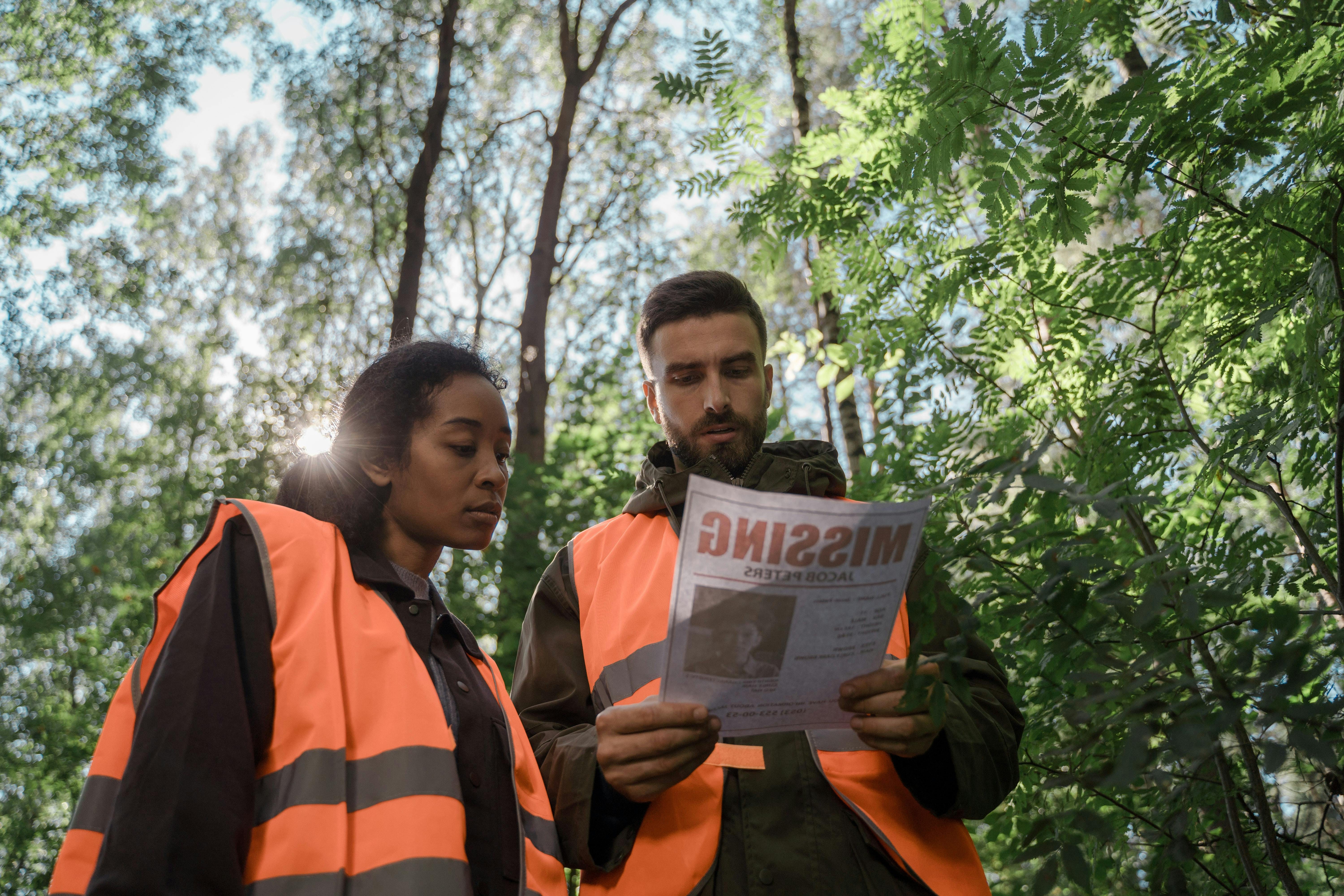
December 17, 2025 — In a breakthrough that highlights the remarkable power of modern forensic technology, investigators have finally identified a woman whose remains were discovered in Naples, Florida nearly five decades ago, transforming one of Collier County’s most enduring mysteries into an active homicide investigation with a name, a face, and a family seeking answers.
A Chance Discovery on Turner River Road
On February 16, 1975, what began as a routine drive along Turner River Road took a dark turn when a couple spotted a raccoon darting across the road. They let their dog out to chase the animal, but instead of a woodland creature, the dog led them to something far more sinister: a human skull lying in the underbrush.
The Collier County Sheriff’s Office responded immediately, launching what would become one of the county’s most extensive investigations. Detectives scoured the area, uncovering additional skeletal remains hidden beneath bushes and tall grass. The scene told a grim story – someone had been murdered, and their killer had gone to great lengths to ensure the body would never be found.
The Long Wait for Identity
Initial forensic analysis presented investigators with a challenging puzzle. Anthropological assessment suggested the remains belonged to a Black female between 21 and 35 years old. The cause of death was clear: a gunshot wound. Time of death was estimated to be more than a year before discovery. But who she was remained frustratingly out of reach.
Despite an exhaustive investigation that spanned months and involved every available resource, the woman’s identity remained elusive. She became known as “Naples Jane Doe,” another heartbreaking entry in the county’s growing file of unidentified remains. In 2008, her case was entered into the National Missing and Unidentified Persons System (NamUs) as UP1334, ensuring her profile would remain accessible to investigators nationwide.
The DNA Revolution Arrives
For nearly fifty years, Naples Jane Doe waited for justice. Then, in January 2024, the Collier County Sheriff’s Office made a decision that would crack the case wide open: they submitted forensic evidence to Othram, a Texas-based laboratory specializing in advanced DNA testing.
Othram’s scientists faced a daunting challenge. After decades of exposure to Florida’s harsh climate, extracting viable DNA from the skeletal remains required cutting-edge technology and meticulous technique. Using Forensic-Grade Genome Sequencing®, they successfully developed a comprehensive DNA profile – a genetic fingerprint that would prove to be the key to unlocking this decades-old mystery.
The DNA analysis revealed something surprising: the initial anthropological assessment of the victim’s ancestry was incorrect. Rather than being Black, the woman was actually White and of European ancestry. This crucial correction would prove instrumental in narrowing the search for her identity.
A Family’s Long-Lost Daughter
With the accurate DNA profile in hand, Othram’s forensic genetic genealogy team began the complex process of building a family tree. By comparing the unknown woman’s DNA to public genealogy databases, they identified potential relatives and traced the genetic connections backward through generations.
The breakthrough came when investigators located a relative whose DNA matched the unknown woman. Through careful genealogical research, they were able to construct a family tree that led them to a name that had been missing from Naples Jane Doe’s case file for five decades: Darlene Schab.
The Investigation Continues
While Darlene Schab has finally regained her identity, her story is far from over. Her homicide remains an active investigation, with detectives now able to focus on the final piece of this tragic puzzle: who killed her and why.
The identification represents more than just a name on a case file. For Darlene’s family, it provides long-awaited answers about what happened to their loved one. For investigators, it transforms an anonymous victim into a real person with a life, relationships, and circumstances that can now be properly investigated.
A New Era for Cold Cases
The resolution of Darlene Schab’s case marks the 46th time Florida officials have successfully identified an unidentified person using Othram’s technology. It represents a new era in cold case investigation, where advances in DNA testing and genetic genealogy are providing hope to families who have waited decades for answers.
“This case demonstrates that no matter how much time has passed, we never give up on identifying victims and bringing their killers to justice,” said a spokesperson for the Collier County Sheriff’s Office. “Darlene Schab deserved to have her name back, and she deserves to have her killer brought to account.”
The Search for Justice Continues
As investigators shift their focus from identification to apprehension, they urge anyone with information about Darlene Schab’s life or death to come forward. The Southwest Florida Crime Stoppers hotline (1-800-780-TIPS) remains active 24/7, accepting tips that could finally bring closure to this five-decade-old murder.
For Darlene Schab, the wait for her name is over. But the wait for justice continues. In an age where DNA technology can identify victims from decades past, investigators remain hopeful that the same scientific advances will eventually lead them to her killer.
The identification of Naples Jane Doe serves as both a testament to human perseverance and a reminder that in the digital age, no crime need remain unsolved forever. Darlene Schab’s story, once reduced to a file number and skeletal remains, can now be properly told – and hopefully, properly concluded