


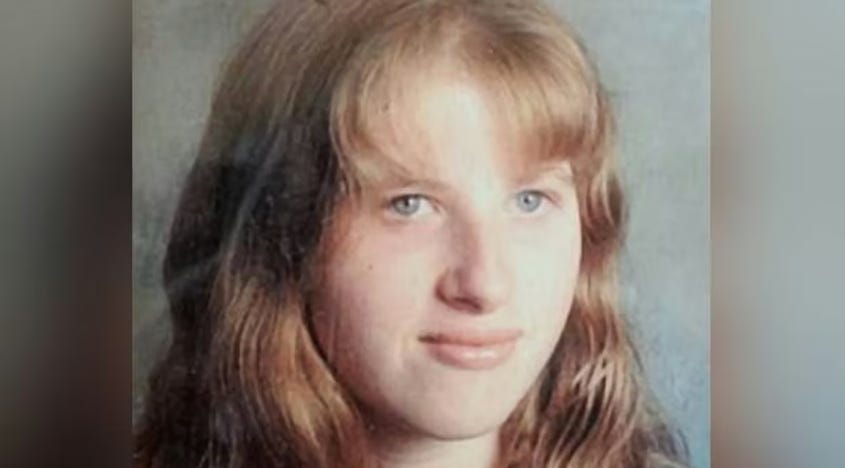
For twenty-four summers, the disappearance of 20-year-old Sabrina Mae Kahler stood as one of northwestern Pennsylvania’s most agonizing unsolved mysteries. She vanished on a bright June afternoon in 2002 after leaving her family home for a swim with an acquaintance. In the decades that followed, detectives tracked cold leads, circulated age-progression renderings, and searched parcels of dense brush across Erie County. Her body was never found, and in 2009, a court declared her legally deceased.
That multi-decade stalemate finally broke on Tuesday, September 22, 2026.
In a joint announcement, Pennsylvania Attorney General Dave Sunday and Erie County District Attorney Elizabeth Hirz confirmed that the 54th Statewide Investigating Grand Jury returned a presentment recommending charges of criminal homicide, rape, and kidnapping against 50-year-old David Heck. Apprehended late Monday night at his home in Indiana, Heck is currently awaiting extradition back to Erie County.
The indictment represents the first major breakthrough by the Pennsylvania Office of Attorney General’s Cold Case Section, launched earlier in 2026. The turning point did not stem from newly matched genetic genealogy or lab analysis, but rather from breaking a decades-old wall of silence guarded by associates who kept Heck’s secrets for nearly a quarter century.
The Vanishing at Fairview Gravel Pits
On June 24, 2002, David Heck arrived unannounced at Sabrina Kahler’s residence on East 3rd Street in Erie, asking if she wanted to go swimming. Kahler, who was home alone, agreed. Heck was the cousin of her boyfriend, Christopher Lee, and the group had spent summer days swimming together in the past.
The excursion quickly unraveled. Heck first drove Sabrina 25 miles west toward Lake Erie to Eagley Park. There, Heck became entangled in a heated confrontation with his ex-girlfriend and several of her friends. Because Heck was on probation—having been charged with assaulting the same ex-girlfriend only days earlier—he called local police to report the dispute.
After leaving Eagley Park, Heck and Kahler stopped at a nearby ice cream parlor, Tasty Twist. Responding officers arrived at the shop to interview Heck regarding his complaint, documenting Sabrina’s presence in the vehicle. That brief interaction was the last confirmed sighting of Sabrina alive by law enforcement or the public.
Heck then drove his Chevrolet Blazer toward the Fairview Gravel Pits, a heavily wooded, secluded property marked by deep quarry basins. Witnesses along the road reported seeing Sabrina riding in Heck’s vehicle as they neared the turnoff.
According to grand jury findings, Heck raped and murdered Kahler within the secluded perimeter of the gravel pits that afternoon.
An angler fishing in the area reported hearing a woman’s “blood-curdling scream” echoing from the tree line. Minutes later, a man matching Heck’s description walked out of the dense brush alone. After the suspect’s photo appeared on local news broadcasts days later, the fisherman recognized him as the same individual who had emerged from the woods and struck up a brief, casual conversation before departing.
Years later, while incarcerated on unrelated charges, Heck reportedly boasted to a cellmate that he had raped and killed a girl at the Fairview Gravel Pits, recalling that she had screamed.
The Concealment at Elk Creek
In “no-body” homicide prosecutions, establishing the mechanics of a crime demands concrete corroboration. The statewide grand jury broke through the personal alliances that shielded Heck for twenty-four years.
Following the assault and killing at the gravel pits, Heck drove to a local bowling alley to track down an acquaintance, Douglas Heim. Heck recruited Heim to return with him to the property to conceal the crime.
Under oath before the grand jury, Heim admitted that he helped Heck transport Sabrina’s body from the Fairview Gravel Pits to the Elk Creek Access area, where they buried her. A second associate, Terry Kellerman, testified that Heck openly admitted to killing a woman in the hours and days following the disappearance.
When family and friends realized Sabrina had not returned home, searches mobilized across Erie County. During those initial days, Heck avoided anyone questioning her whereabouts. Investigators eventually tracked him down hiding beneath a pile of blankets inside an acquaintance’s home, though evidence at the time proved insufficient to secure murder charges.
State and local forensic teams have concentrated extensive search operations along the Elk Creek basin. Over twenty-four years, persistent seasonal flooding, shifting sediment, and bank erosion have substantially altered the creek’s geography. Even with Heck behind bars, investigators continue active recovery efforts in the area to locate Sabrina’s remains.
The Anatomy of the Investigation
Victim: Sabrina Mae Kahler, age 20 at the time of her disappearance.
Defendant: David Heck, age 50; arrested at his residence in Indiana on September 21, 2026.
Criminal Charges: Criminal Homicide, Kidnapping, and Rape.
Lead Agencies: Pennsylvania Office of Attorney General Cold Case Section, Erie County District Attorney’s Office, and the Erie Police Department.
Core Investigative Breakthrough: Compelled testimony before the 54th Statewide Investigating Grand Jury from key associates Douglas Heim and Terry Kellerman, alongside historical inmate disclosures and witness accounts.
Status of Remains: Unrecovered; active forensic search operations continue at Elk Creek Access.
Why This Case Matters for Cold Case Work
Sabrina Kahler’s case underscores three critical realities in modern cold case management:
The Investigative Grand Jury as an Evidentiary Lever: When forensic biological evidence is absent or degraded by outdoor elements, grand jury proceedings offer the legal architecture and closed-door immunity necessary to compel reluctant witnesses. People bound by fear or shared culpability often refuse to speak until faced with subpoena power and sworn testimony.
Dedicated Cold Case Infrastructure: Municipal detectives handling active homicides, domestic violence, and daily emergencies rarely have the time required to comb through multi-decade files. Establishing specialized statewide cold case units ensures cases receive sustained, uninterrupted review.
The Erosion of Old Alliances: Confidants and co-conspirators rarely maintain lifelong pacts. Over two decades, interpersonal dynamics fracture, legal leverage shifts, and the perceived threat of a perpetrator declines, giving detectives an opening to re-interview peripheral figures.
“A totality of evidence that included key grand jury testimony from previously reluctant witnesses led to a single conclusion—that David Heck raped and murdered Sabrina Kahler 24 years ago,” Attorney General Dave Sunday said following the arrest.
District Attorney Elizabeth Hirz emphasized that the case leaves a permanent mark on the community: “Sabrina Kahler has never been forgotten. Her family never stopped remembering her, this community has never stopped seeking answers.”
While criminal charges mark an essential legal conclusion, local authorities maintain that the investigation will not be fully finished until Sabrina is brought home to her family.
TheColdCases.com will provide continuing coverage as David Heck faces extradition and preliminary arraignment in Erie County. Anyone with historical information regarding activities near the Fairview Gravel Pits or Elk Creek in June 2002 is urged to contact Erie law enforcement.
For background on how Erie detectives originally revisited unsolved homicides in the region, watch this report on Erie’s Oldest Cold Case Solved. This local news coverage highlights the long-term investigative persistence of the Erie Police Department and District Attorney’s Office when tracking historic cases.