

Houston Serial Killer? Let’s Talk Facts Not Fear
Fears of a Houston Serial Killer are Growing.

The Buffalo Bayou Mystery: Houston’s Growing Body Count Sparks Serial Killer Fears
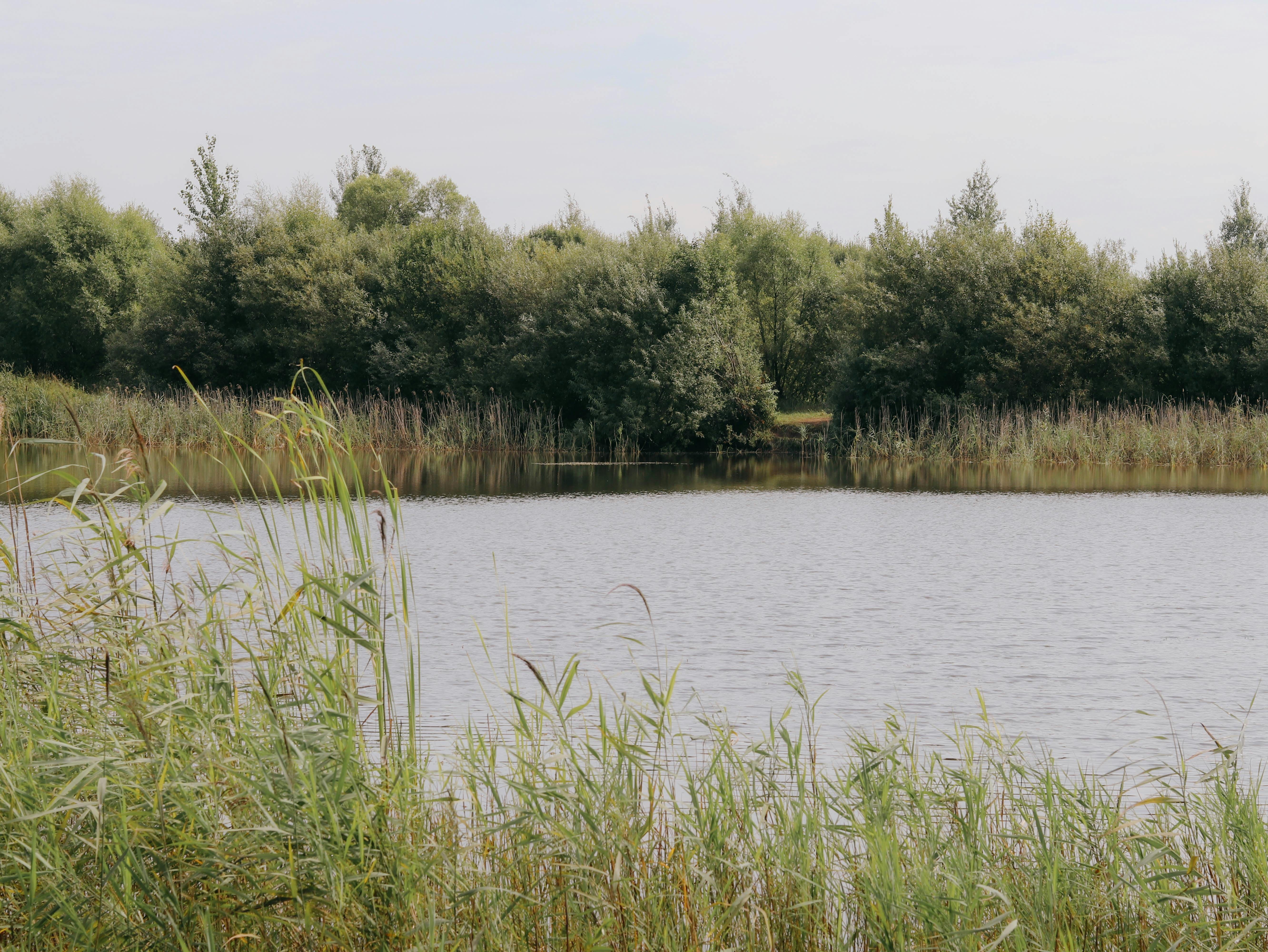
The discovery of three additional bodies in Houston’s bayous this week has intensified speculation about a potential serial killer operating in Texas’s largest city, despite official assurances that the deaths are unrelated.
On December 22, emergency responders recovered two bodies from separate bayous – one from Buffalo Bayou after a passerby spotted it and called 911, and another from Brays Bayou the same day. A third body was discovered on Christmas Eve, again in Buffalo Bayou, bringing the total number of corpses pulled from Houston’s waterways to 34 in 2025 alone.
The recent discoveries have pushed the total body count to nearly 200 since 2017, according to records from the Harris County Medical Examiner’s Office obtained by KPRC 2. With 35 bodies recovered in 2024, the consistent high numbers have many residents questioning whether something more sinister is at play.
Official Response vs. Public Concern
Houston Mayor John Whitmire has repeatedly attempted to quell growing public anxiety, stating categorically: “We do not have any evidence that there is a serial killer loose.” His administration has maintained that the bodies represent a tragic but explainable phenomenon rather than evidence of foul play.
The mayor’s explanation centers on Houston’s significant homeless population and the city’s geography. “What do you think happens when a homeless person dies from an illness, diabetes or cancer? What do you think his friends and associates do? They do not take him to a funeral home. Unfortunately, the homeless, when they pass, often end up in the bayou,” Whitmire explained in September.
Expert Analysis Challenges Serial Killer Theory
Criminal justice experts have weighed in on the speculation, noting that the circumstances don’t align with typical serial killer behavior. Dr. Kim Rossmo, a professor at Texas State University and pioneer of geographic profiling, points out that drowning is an extremely unusual method for serial killers.
“Serial killers stab or strangle or sometimes shoot, but drowning is uncommon. And one of the reasons is, if you think about it, it’s really hard to kill somebody by drowning,” Rossmo explained. “There’s a lot of steps involved and a lot of chances for people to escape.”
Rossmo’s assessment reinforces the official position: “We don’t have a serial killer, but we do have a drowning problem.”
The Numbers Tell a Complex Story
The statistical reality presents a nuanced picture. With 198 bodies found in Houston’s bayous over the past eight years, the city averages approximately 25 waterway deaths annually. While this number is concerning, it doesn’t necessarily indicate criminal activity.
Houston’s bayou system spans over 2,500 miles of waterways throughout the metropolitan area. The extensive network, combined with the city’s subtropical climate and significant rainfall, creates conditions where accidental drownings and the discovery of deceased individuals are statistically more likely.
Community Response and Ongoing Concerns
Despite official reassurances, social media speculation continues to fuel serial killer theories. The timing of discoveries, the consistent locations, and the sheer volume of bodies have created a perfect storm for public anxiety.
Local community groups have begun organizing awareness campaigns and demanding increased transparency from law enforcement. Some residents have started avoiding the bayou areas entirely, while others have formed neighborhood watch groups specifically focused on monitoring the waterways.
The Investigation Continues
Houston Police Department’s dive team continues to respond to body discoveries, with each case undergoing individual investigation. The department maintains that there is no evidence linking the deaths to a single perpetrator or coordinated criminal activity.
However, the frequency of discoveries has prompted law enforcement to review protocols and consider whether additional resources should be dedicated to waterway patrols and homeless outreach programs.
Looking Forward
As 2025 draws to a close, Houston faces the challenge of addressing both the practical issue of waterway safety and the psychological impact on its residents. Whether the bodies represent a tragic convergence of urban challenges – homelessness, mental health issues, and accidental drownings – or something more sinister remains a topic of heated debate.
What is clear is that Houston’s bayous have become an unexpected focal point for community concern, forcing city officials to balance transparency with public safety, and expertise with legitimate community anxiety. As the investigations continue, residents wait for answers that may never come with the certainty they seek.
The Buffalo Bayou mystery serves as a stark reminder that in urban America, the line between tragedy and conspiracy can often blur, leaving communities to grapple with fear, speculation, and the sometimes unsatisfying explanations that official investigations provide.