

Domestic Violence Turns Deadly in Indiana: Mother Executed in Front of Children
The System Failed to Protect Jerri Mains

Domestic Violence Turns Deadly: Indiana Mother Executed in Front of Children Despite Restraining Order
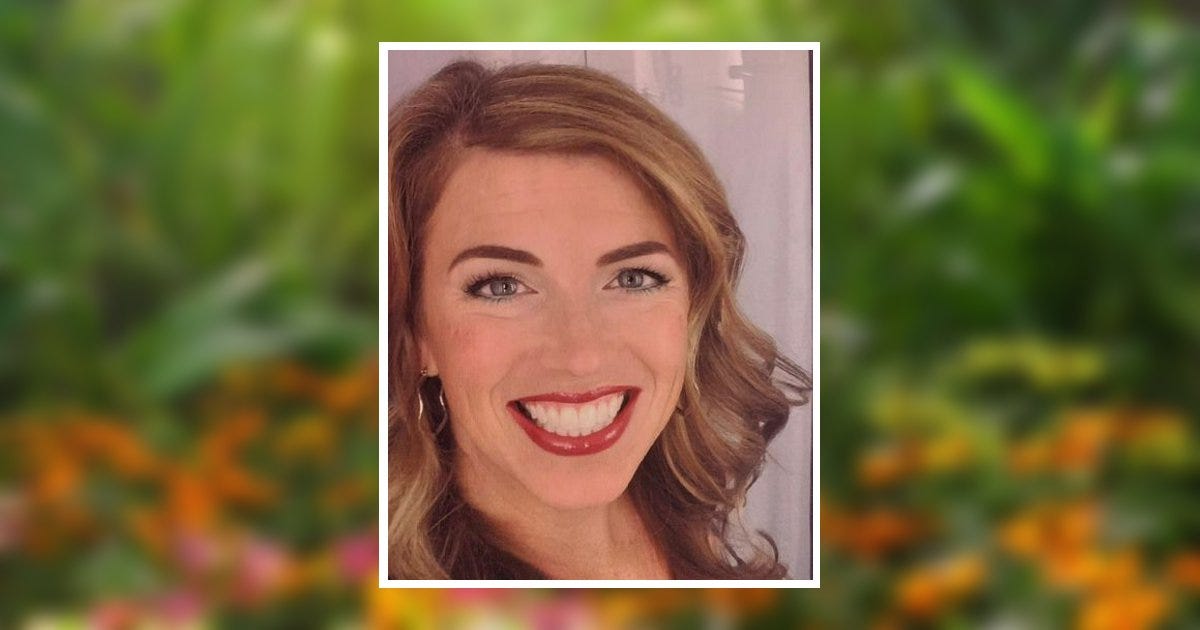
The tragic death of 44-year-old Jeri Mains on December 28, 2025, represents not just another domestic violence statistic, but a chilling reminder of how protection orders can fail the very people they’re designed to protect. The Indianapolis mother was fatally shot twice in the chest by her husband, Cecil Mains, 47, in an execution-style killing that unfolded in front of their four children at their family home.
The Fatal Day
The horror began just before 2:30 p.m. on Meadow Bend Lane, when multiple 911 calls flooded dispatchers from the Mains children. Their 19-year-old son’s desperate plea captured the nightmare: “My dad just shot my mom twice... He shot her in the house and in the driveway.”
As officers raced to the scene, the terror continued. Another child’s voice crackled through the emergency line: “My dad is shooting my mom,” “I’m hiding,” “Please help me,” “My mom had a restraining order against him” and most heartbreakingly, “I can’t live without her.”
When police arrived, they found Jeri collapsed in the driveway, having sustained two gunshot wounds to her chest. Despite emergency medical intervention, she was pronounced dead at the hospital, leaving behind children aged 19, 17, 14, and 10.
The Warning Signs Ignored
Perhaps most disturbing about this case is that Jeri had taken legal steps to protect herself just days before her murder. On Christmas Day—three days before her death—she filed a protective order against Cecil, alleging a pattern of escalating violence and threats.
According to court documents, the abuse had been building for months. On December 23, Jeri alleged that Cecil threatened to kill both her and himself in a Justice Center parking lot after learning she planned to file for divorce. The next day, Christmas Eve, she reported that he threw kitchen tongs at her, causing bruising and lacerations on her arm.
The protective order detailed how Cecil allegedly threatened to kill himself in front of her and their children, and revealed that he had punched her in the face in November. Despite these documented incidents and the legal protection she sought, Jeri’s restraining order proved tragically insufficient.
The Aftermath
Cecil Mains fled the scene in his gray Toyota Tundra pickup truck but was apprehended nearby after officers conducted a traffic stop. He was taken into custody without incident and charged with murder.
The couple’s children, who witnessed their mother’s brutal murder, are now facing what a family friend described as “an unimaginable future without their mom.” A GoFundMe campaign established to support the children notes, “These kids have already endured more than any child should. Our hope is that they can focus on healing, staying together, and rebuilding their lives with stability and support.”
A System That Failed
Jeri Mains’ death raises serious questions about the effectiveness of protective orders in domestic violence cases. Despite taking every legal precaution available to her—filing reports, documenting abuse, and obtaining a restraining order—she was still murdered by her abuser.
This case highlights a grim reality: protective orders are only pieces of paper that rely on the abuser’s willingness to obey the law. For victims like Jeri who are trying to escape violent relationships, the most dangerous time is often after they’ve taken steps to leave or seek legal protection.
The Broader Pattern
While Cecil Mains has been charged and the case appears straightforward from a legal perspective, Jeri’s death represents a larger pattern of domestic violence that claims lives across America daily. According to domestic violence advocates, approximately 75% of women who are murdered by their partners had previously experienced domestic violence, and the risk of homicide increases significantly when a victim attempts to leave the relationship.
The fact that Jeri’s children witnessed their mother’s murder adds another layer of tragedy to this already devastating case. These four young people will carry the psychological scars of that December afternoon for the rest of their lives, having lost both parents in a single act of violence—their mother to death, and their father to the criminal justice system.
Justice Delayed, But Not Denied
While Cecil Mains faces murder charges and the legal system will run its course, true justice for Jeri Mains remains elusive. Her death represents not just a personal tragedy for her family, but a systemic failure to protect vulnerable individuals from intimate partner violence.
As this case moves through the courts, it serves as a sobering reminder that domestic violence doesn’t always stay behind closed doors. Sometimes it spills out into driveways, witnessed by children who will never be able to unsee what they’ve seen, and sometimes it happens despite every legal protection available.
For Jeri Mains, the system that was supposed to protect her ultimately failed. Her story, while not unsolved in the traditional cold case sense, deserves to be remembered as part of the larger epidemic of domestic violence that continues to claim lives across America. Her death was not just a crime—it was a preventable tragedy that highlights the urgent need for better protection mechanisms for domestic violence victims attempting to escape dangerous relationships.