


In 1984, a sixteen-year-old girl named Laura Lynn Miller disappeared from a small Texas town wedged between Houston and the Gulf of Mexico. It would take more than a year to find her body. It would take more than forty years to find anyone to charge with her death.
On March 31, 2026, a Galveston County grand jury handed down an indictment that sent shockwaves through a community that has lived with an open wound for over four decades. James Dolphs Elmore Jr., 61, of Bacliff, Texas, was charged with manslaughter and felony tampering with evidence in the death of Laura Miller, along with an additional tampering with evidence charge in the death of Audrey Cook — another victim found yards from where Laura’s body was discovered. Elmore was denied bail when he appeared before a magistrate judge that same evening.
For Laura’s father, Tim Miller — who transformed his grief into one of the nation’s most storied volunteer search-and-rescue organizations, Texas EquuSearch — the news arrived wrapped in both relief and fury. The man he had long believed to be the primary killer, Clyde Edwin Hedrick, died on March 21, 2026, just ten days before the grand jury convened — free, on parole, and never charged with a single murder.
“They let a serial killer die peacefully in his damn bed when they had everything in front of them.”— Tim Miller, father of Laura Miller
It is a story of institutional failure, a father’s extraordinary persistence, a community haunted by a patch of scrubland along Interstate 45, and the peculiar moral arithmetic of justice arriving too late — or just barely in time.
A Killing Ground Between Two Cities
League City, Texas sits in Galveston County along the I-45 corridor — the two-lane artery that connects Houston to Galveston and the Gulf Coast. By the early 1980s, it was growing rapidly: a bedroom community, a suburb, a place where young families were planting roots. It was also, as investigators would come to understand, a predator’s corridor.
The area surrounding I-45 between Houston and Galveston has been linked to the disappearances and deaths of at least 34 women and girls since the early 1970s. Many were young — some barely teenagers. Some shared physical characteristics. Most vanished without witnesses. The corridor earned a grim nickname in the true crime community: the “Highway to Hell.” But the epicenter of the mystery was a 25-acre patch of undeveloped land near the intersection of Calder Road and Ervin Street in League City — a remote, wooded field that would become known to the world as the Texas Killing Fields.
Between 1984 and 1991, four women’s bodies were found in that field. Their names were Heidi Marie Villarreal-Fye, Laura Lynn Miller, Audrey Lee Cook, and Donna Gonsoulin Prudhomme. For years, two of them were known only as Jane Doe and Janet Doe. For years, none of their killers faced justice.
The Four Victims of Calder Road
Heidi Marie Villarreal-Fye
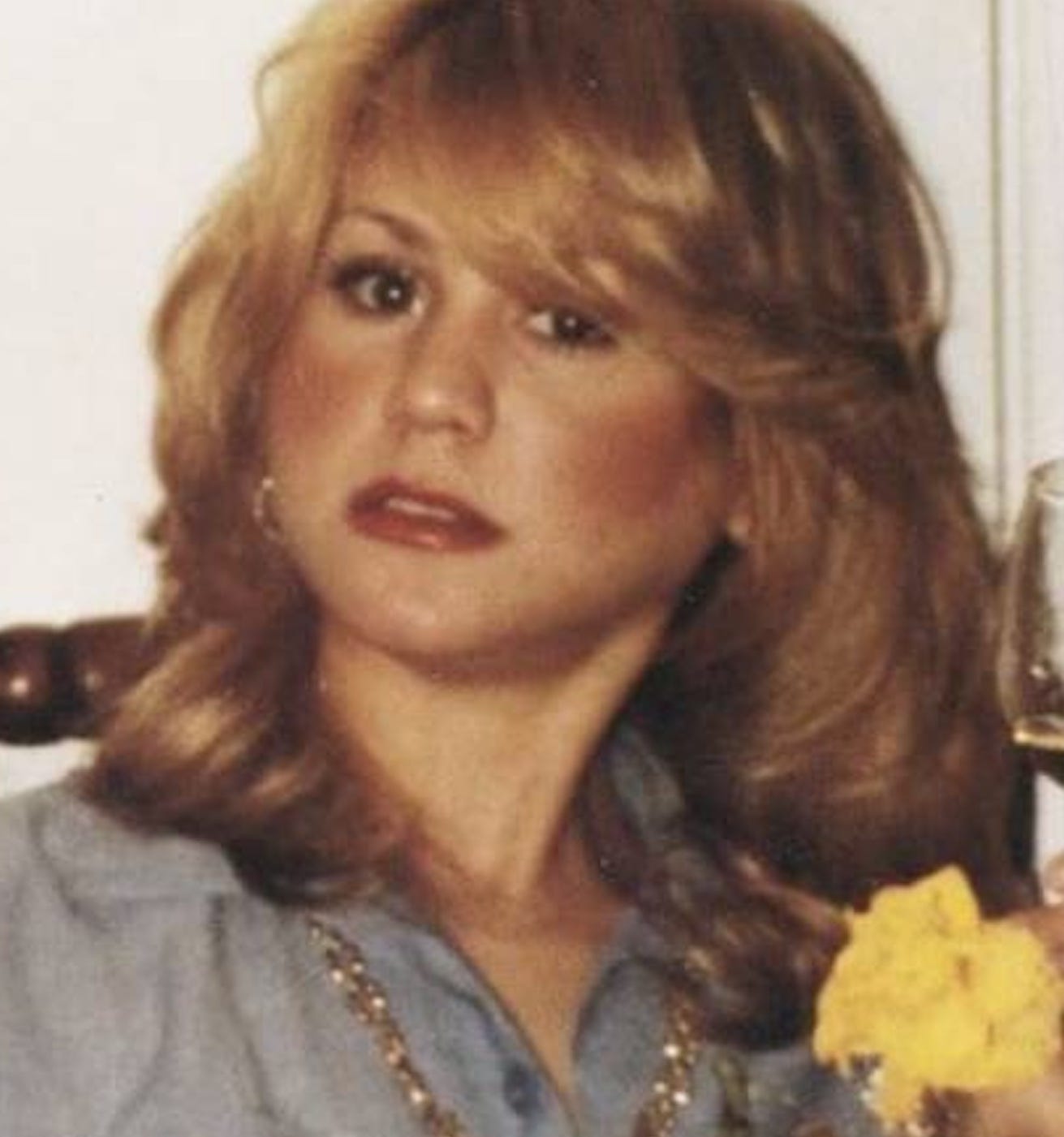
Last seen: Oct. 10, 1983 · Found: April 4, 1984
A 25-year-old cocktail waitress last seen at a convenience store in League City. Her skull was brought to a nearby house by a dog. She was the first victim found in the Calder Road field.
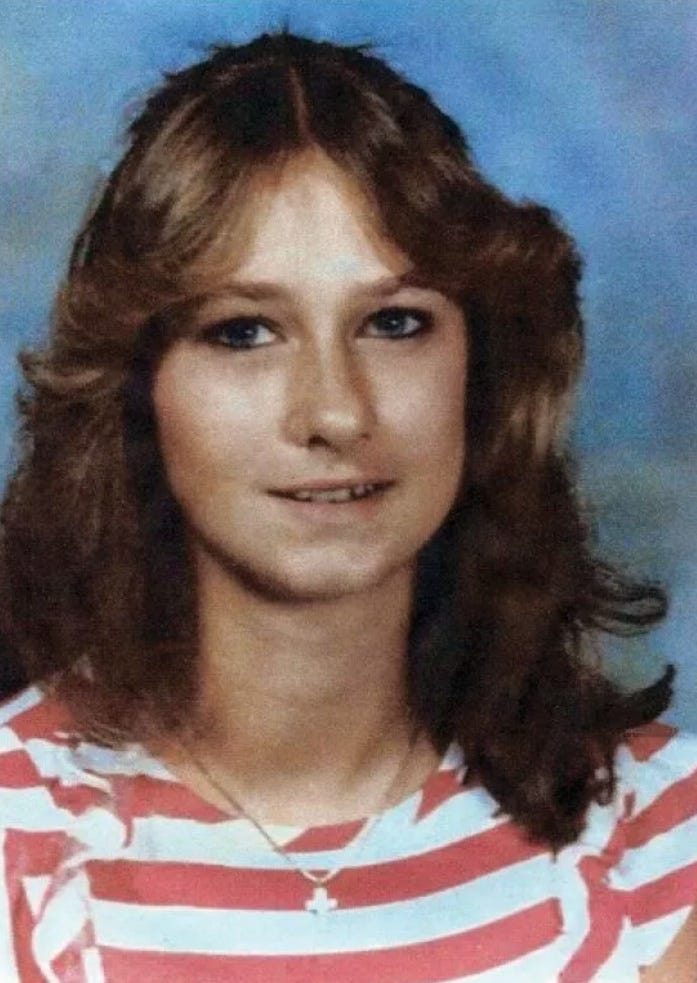
Laura Lynn Miller
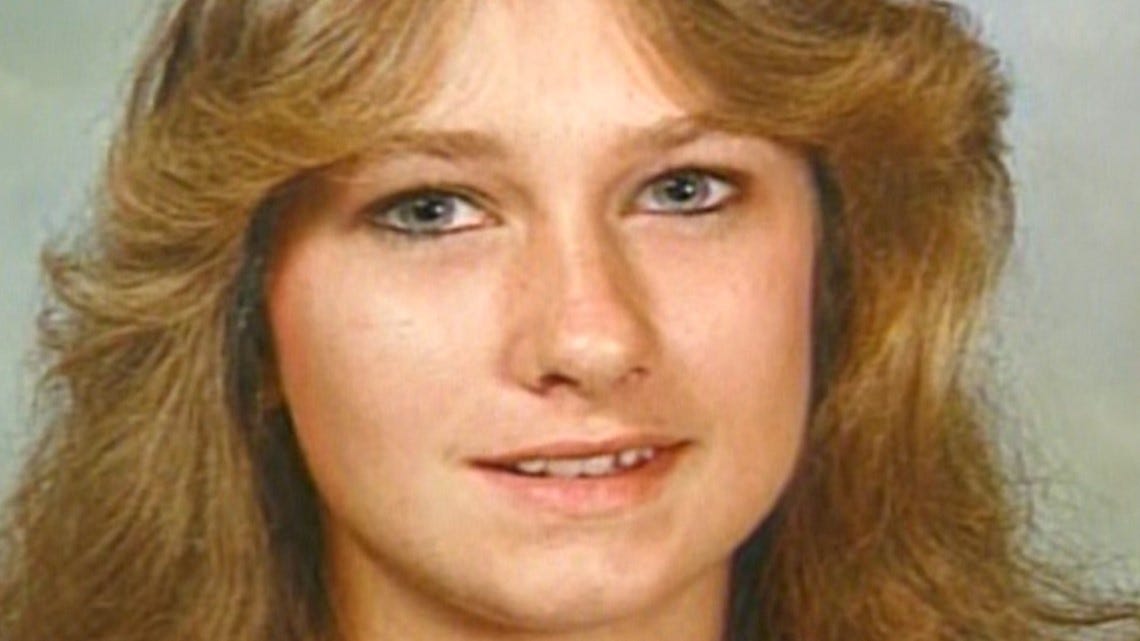
Disappeared: 1984 · Found: Feb. 2, 1986
A 16-year-old sophomore at Clear Creek High School who had recently moved to League City. Musically gifted, she suffered from debilitating seizures. Her father’s search for justice transformed his life — and helped thousands of other families.
Audrey Lee Cook
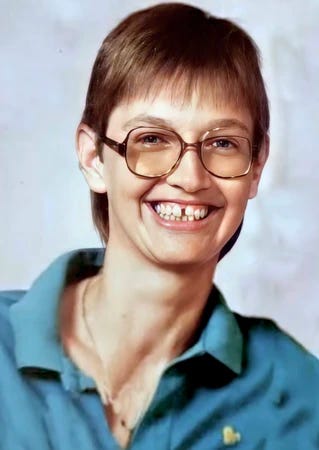
Last seen: Dec. 1985 · Found: Feb. 2, 1986
A 30-year-old mechanic who lived in the Houston area. Her remains were discovered the same day as Laura Miller’s, both left near a tree in a supine position. She was identified as “Jane Doe” for over 30 years until 2019.
Donna Gonsoulin Prudhomme
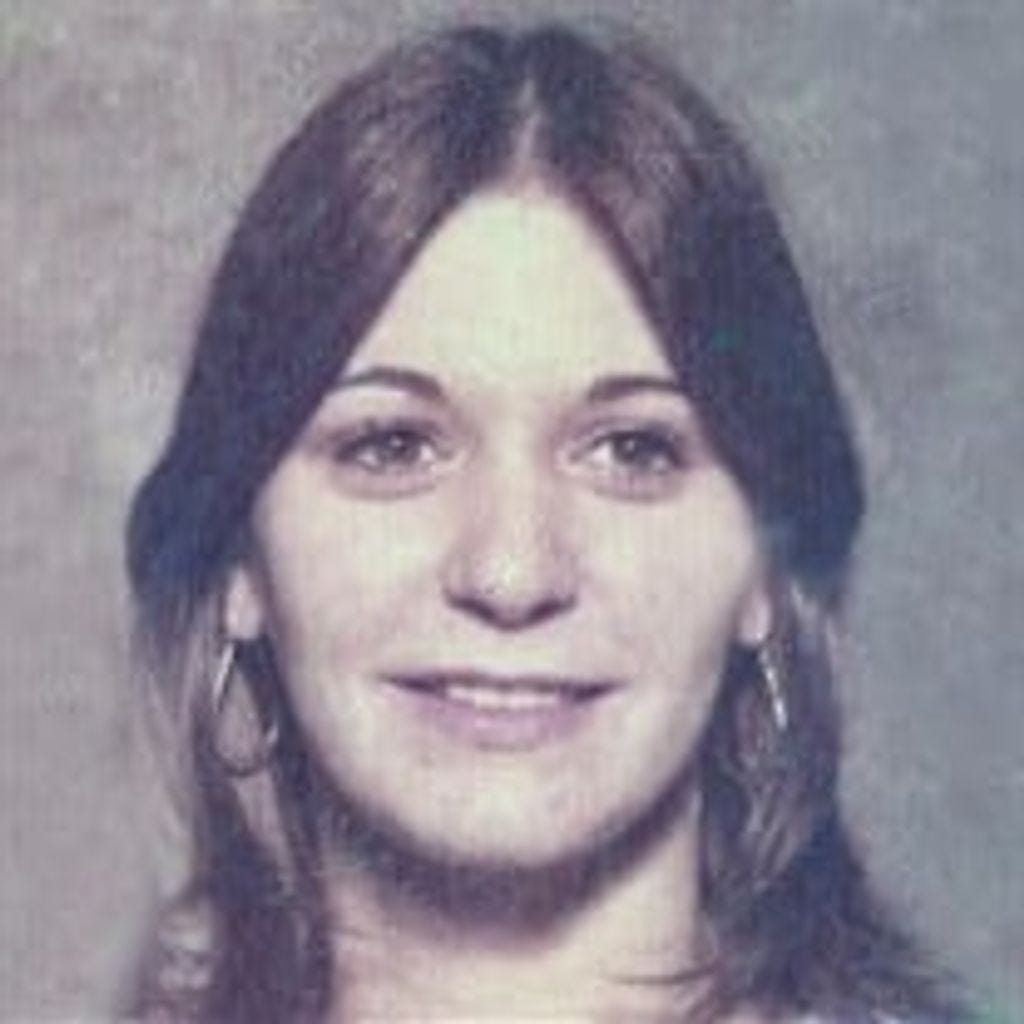
Found: Sept. 8, 1991
Known as “Janet Doe” for decades, Donna was the fourth victim found in the field. Her identity went unknown for over 20 years and was confirmed through forensic advances. Her killer has never been charged.
Laura Miller - A Father’s Worst Fear Made Real
Laura Miller was sixteen when she disappeared. Her family had recently moved to League City — a new town, a new school, new neighbors. She was a sophomore at Clear Creek High School, a girl with a love of music so fierce that even severe seizures, a medical condition that shadowed her young life, could not dim her ambitions in choir.
When she went missing, authorities did what was too common in the 1980s with teenage girls who vanished: they initially suggested she might have run away. Tim Miller, her father, didn’t believe it for a moment. He began conducting his own searches, driving the rural roads and scrubland around League City, following every lead the police either couldn’t or wouldn’t.
“I knew in my heart that Laura wasn’t coming home alive,” Tim Miller told the FBI years later. “I was afraid she was never going to be located.” More than a year after her disappearance, in February 1986, Laura’s body was found in the Calder Road field. During the same search, police discovered a second body — the woman who would remain Jane Doe for three decades, later identified as Audrey Cook.
Laura’s death broke Tim Miller. Then it remade him. He began researching similar murders across the region, mapping disappearances, connecting dots that no official task force seemed willing to connect. In 2000, he founded Texas EquuSearch, a volunteer search-and-rescue organization that has since worked over 2,000 cases, discovered more than 300 bodies, and helped find hundreds of living missing persons across the country and around the world.
“I’m just a dad that loves his daughter and fought for her, that’s all I am. I fought, and I cried, and I screamed. Maybe today it was all worth it.”— Tim Miller, March 31, 2026
The organization grew out of a specific promise Miller made to himself while waiting desperately for news of his daughter. He saw another mother — the mother of a missing teenager — and recognized his own anguish in her eyes. He made a vow: he would never let a family search alone.
That promise has been kept thousands of times over. But for Laura herself, justice remained elusive for four decades.
The Investigation - Decades of Frustration
The Texas Killing Fields cases confounded investigators for reasons both practical and systemic. The remote, undeveloped field was an ideal dumping ground — isolated, poorly patrolled, accessible from a major highway. Evidence degraded quickly in the Texas heat. Two of the four Calder Road victims went unidentified for years, depriving investigators of the biographical trails — friends, employers, last-known movements — that typically anchor a murder investigation.
The League City Police Department remained the lead agency on the Calder Road cases, but the FBI’s Houston Field Office became deeply involved. The FBI Laboratory examined physical evidence. Behavioral analysts constructed a profile of a potential killer. Agents and local detectives re-interviewed witnesses, chased leads, and attempted to connect the murders to the broader pattern of disappearances along the I-45 corridor.
One name kept surfacing: Clyde Edwin Hedrick.
The Long Shadow of Clyde Hedrick
Hedrick lived near the Calder Road field and was the neighbor of Tim Miller’s family during the period of Laura’s disappearance. Over forty years, he became the prime suspect not only in the Calder Road murders but in the broader constellation of I-45 killings. Investigators, family members, and eventually prosecutors believed he had murdered multiple women — yet for the majority of those decades, he remained uncharged in any murder.
In 1986, Hedrick was convicted of a lesser charge: abuse of a corpse in connection with the death of Ellen Beason, another young woman who had gone missing around the same time as Heidi Fye and Laura Miller. Her body was also found not far from the Calder Road field. That conviction resulted in only a minor sentence. Hedrick walked free.
Nearly thirty years later, the Galveston County District Attorney’s Office reopened the Ellen Beason case. In 2013, prosecutors obtained a murder indictment against Hedrick for her death. The following year, a jury convicted him — but of manslaughter, not murder. He received a maximum sentence of 20 years in prison. He was paroled after serving just eight years.
Tim Miller fought Hedrick’s parole at every turn. He was convinced the man had killed his daughter and others, and he was not willing to see him live out his days in freedom. Two and a half years before the 2026 indictment, Miller said, he received an unexpected contact — someone who had been present during events connected to the deaths who wanted to talk.
Miller sat with this person. He heard details, he said, that were never made public — specifics about what happened to Laura and to other women — details only someone present would know. “I know exactly what happened to Laura. I know his involvement,” Miller told KPRC 2 in Houston. “One of the hardest things I ever did in my life was keep my composure with this guy.”
That individual was James Dolphs Elmore Jr.
Other Suspects Over the Years
In the 1990s, former NASA engineer Robert Abel, who lived near the field, was investigated as a possible suspect in the Killing Fields murders. No evidence linking him to the crimes was ever established. Abel died in 2005 when an ATV he was driving was struck by a train at a rail crossing.
William Lewis Reece, a convicted serial killer, was linked to a separate cluster of murders along the I-45 corridor. In 2022, Reece pleaded guilty in Galveston County to the murder of Laura Smither, and in Brazoria County to the murders of Kelli Cox and Jessica Cain — all young women who vanished from the Houston area in the late 1990s. He is serving three consecutive life sentences. Investigators have explored potential connections between Reece and the Calder Road cases, but he is not believed to be responsible for the four Killing Fields murders.
The 2024 Reinvestigation - A New D.A., a New Task Force
The case might have remained perpetually cold were it not for a change in the Galveston County District Attorney’s office. When Kenneth Cusick was appointed DA by Governor Greg Abbott, he made the Texas Killing Fields one of his priorities. In 2024, Cusick assigned Chief Assistant District Attorney Kate Willis — who heads the office’s Violence Against Women unit — to lead a multi-agency task force dedicated specifically to these cases.
The task force re-interviewed witnesses, including individuals who had not been formally interviewed in years or whose previous statements had never been thoroughly followed up. Investigators pulled decades-old evidence back out and examined it with contemporary forensic tools and fresh eyes. The goal was not merely to identify a suspect — investigators had long believed they knew who the primary killer was — but to build a case strong enough for a grand jury.
By early 2026, prosecutors were prepared to seek grand jury indictments against Clyde Hedrick for the murders of Laura Miller, Heidi Fye-Villarreal, Audrey Cook, and Donna Prudhomme — the full accounting for all four Calder Road victims. They were also prepared to indict James Elmore for his alleged role in the deaths of Cook and Miller.
Then, on March 21, 2026, Clyde Edwin Hedrick died. He was 72 years old, on supervised parole, and — in the furious words of Tim Miller — he died “peacefully in his damn bed.”
✦
The Indictment on March 31, 2026
Despite Hedrick’s death, Galveston County prosecutors made the decision to proceed. Willis presented the evidence — including the evidence of Hedrick’s alleged involvement — to the grand jury anyway, in what officials described as an effort to maintain transparency and provide some measure of closure to the victims’ families. The grand jury was shown the full picture of what investigators believe happened in that field.
On March 31, 2026, the grand jury returned an indictment against James Dolphs Elmore Jr. Prosecutors allege that Elmore helped Clyde Hedrick conceal the remains of both Laura Miller and Audrey Cook after their deaths. The charges are manslaughter and felony tampering with evidence regarding Laura Miller’s death, and an additional tampering with evidence charge relating to Audrey Cook.
That evening, Elmore appeared before a Galveston County magistrate judge. Bail was denied. Cusick and Willis personally met with the families of all four Killing Fields victims to inform them of the indictments before the public announcement.
DA Kenneth Cusick and his team credited a coalition of law enforcement agencies in the breakthrough: the League City Police Department, Hitchcock Police Department, Galveston County Sheriff’s Office, Texas City Police Department, and the FBI’s Houston Field Office — the same agencies that have collectively carried this investigation through four decades of dead ends.
A press conference was scheduled for the morning of April 1, 2026, at the Galveston County Commissioner’s Court building, where officials pledged to provide further details and reiterate that the investigation remains ongoing.
Tim Miller’s Response
Tim Miller is, by his own account, almost 80 years old. He has spent more than half his life fighting for his daughter. When the indictment news broke, he gave reporters a statement that captured the crushing complexity of what this moment meant.
“I’m just a dad that loves his daughter and fought for her, that’s all I am,” he said. “I fought, and I cried, and I screamed. Maybe today it was all worth it.”
But the grief was intertwined with anger. He had watched Hedrick receive a manslaughter conviction for Ellen Beason, serve eight years, walk free on parole, and then die before facing a murder charge. He had spent years pushing for a grand jury presentation, only for it to happen too late.
“They let a serial killer die peacefully in his damn bed when they had everything in front of them,” Miller said. “I’m pretty angry.”
Even so, Miller made clear he is not finished. James Elmore will face prosecution. Tim Miller intends to be in that courtroom.
“I’m almost 80 years old,” he said. “I’ll tell you what I’m going to do. I’m going to stick around and face James Elmore in a courtroom. I’m going to do that.”
A Timeline of the Texas Killing Fields
October 1983
Heidi Marie Villarreal-Fye, 25, a cocktail waitress, is last seen at a convenience store in League City. Her disappearance is the first linked to what will become the Killing Fields.
April 1984
Fye’s remains are discovered in a field on the 3000 block of Calder Road after a dog carries her skull to a nearby house. She is the first of four women to be found in that field.
1984
Sixteen-year-old Laura Lynn Miller disappears from League City shortly after moving there with her family. Police initially treat the case as a possible runaway.
December 1985
Audrey Lee Cook, 30, a mechanic from the Houston area, is last heard from. She will not be identified for over 30 years.
February 2, 1986
The bodies of Laura Miller and Audrey Lee Cook are found together in the Calder Road field, hidden near a tree. Cook has a small-caliber gunshot wound to the back severing her spine. Both are discovered on the same day.
1986
Clyde Edwin Hedrick is convicted of abuse of a corpse in connection with Ellen Beason’s death — another young woman found near the Killing Fields. He receives minimal prison time.
1991
A fourth body — later identified as Donna Gonsoulin Prudhomme — is discovered in the Calder Road field by passersby. She is known as “Janet Doe” for more than two decades.
2000
Tim Miller, Laura’s father, founds Texas EquuSearch, channeling his grief and investigative instincts into a volunteer search-and-rescue organization that grows into a nationally recognized operation.
2013
The Galveston County DA’s office obtains a murder indictment against Hedrick for the Ellen Beason death. The following year, a jury convicts him of manslaughter. He is sentenced to 20 years.
2019
Audrey Lee Cook is finally identified through forensic genealogy — 33 years after her body was found in the field alongside Laura Miller’s.
2022
Netflix releases Crime Scene: The Texas Killing Fields, bringing renewed national attention to the cases. In the same year, convicted serial killer William Reece pleads guilty to the I-45 murders of Laura Smither, Kelli Cox, and Jessica Cain — a separate cluster of victims. Hedrick is paroled after eight years.
2024
Galveston County DA Kenneth Cusick assembles a dedicated multi-agency task force led by Chief Assistant DA Kate Willis to reinvestigate the Killing Fields cases with fresh eyes and renewed resources.
March 21, 2026
Clyde Edwin Hedrick dies on parole at age 72, just days before prosecutors were prepared to present a murder indictment against him to a grand jury. He is never charged with any of the Killing Fields murders.
March 31, 2026
A Galveston County grand jury indicts James Dolphs Elmore Jr., 61, on charges of manslaughter and felony tampering with evidence in the death of Laura Miller, plus an additional tampering charge related to Audrey Cook. Elmore is denied bail. It is the first arrest tied to the Killing Fields murders in the field where Laura was found.
What Comes Next
The indictment of James Elmore does not close the Texas Killing Fields cases. It opens a new chapter — one that involves a courtroom, a defense, and a prosecution’s task of proving not only what happened in that remote field forty years ago, but Elmore’s specific role in it.
The charges against Elmore — manslaughter and evidence tampering — suggest prosecutors believe he was present during or immediately after the deaths, and that he actively helped conceal what had occurred. They allege he worked in concert with Hedrick, the man they believe was the primary killer. With Hedrick gone, Elmore now stands as the sole living defendant in a case that four families have waited over forty years to see reach this point.
Beyond the Elmore prosecution, investigators have indicated that the renewed investigation into the broader Texas Killing Fields — the dozens of other women who disappeared or were found dead along the I-45 corridor — continues. The multi-agency task force assembled in 2024 is not expected to stand down. There are other cases, other families, other decades of silence waiting to be broken.
A local church and community members have already begun creating a memorial at the former Calder Road field, with markers for each woman found there. There are plans, officials noted, to transform the site — to shift it from a place known for death to what some are calling the “Healing Fields”: a small park to honor the victims.
For Tim Miller, who turned his grief into a search-and-rescue organization that has found hundreds of missing people, the work is not finished. It may never be entirely finished. But on March 31, 2026, for the first time in four decades, someone was taken into custody and denied bail for what happened to his daughter.
“I fought, and I cried, and I screamed,” he said. “Maybe today it was all worth it.”
If You Have Information
The Texas Killing Fields investigation remains active. The League City Police Department, Galveston County District Attorney’s Office, and the FBI’s Houston Field Office are all still seeking information related to the deaths of Heidi Fye-Villarreal, Laura Miller, Audrey Cook, Donna Prudhomme, and the broader pattern of unsolved cases along the I-45 corridor.
Anyone with information is encouraged to contact the League City Police Department at (281) 332-2566, the Galveston County District Attorney’s Office, or the FBI Houston Field Office at 1-800-CALL-FBI.
Sources: Galveston County District Attorney’s Office · League City Police Department · FBI Houston Field Office · KPRC 2 Houston · ABC13 / KTRK-TV · KHOU 11 · FOX 26 Houston · Houston Public Media · Galveston Today · Texas EquuSearch · Wikipedia / Texas Killing Fields
TheColdCases.com — Investigative Cold Case Journalism. All suspects are presumed innocent until proven guilty in a court of law. This article will be updated as the case progresses.
Mr. Miller, I am so sorry about what happened. But I know Laura is so proud of you and all you have done for so many others.