


Case at a Glance
Victim
Gabrielle “Gabby” Petito, 22
Date of Death
On or around Aug. 27–28, 2021
Location
Spread Creek, Bridger-Teton National Forest, Wyoming
Cause of Death
Blunt-force injuries; manual strangulation (homicide)
Perpetrator
Brian Laundrie, 23 (fiancé)
Perpetrator Fate
Suicide by gunshot, Oct. 2021
Case Status
Closed — FBI, Jan. 2022
Confession
Handwritten notebook found with remains
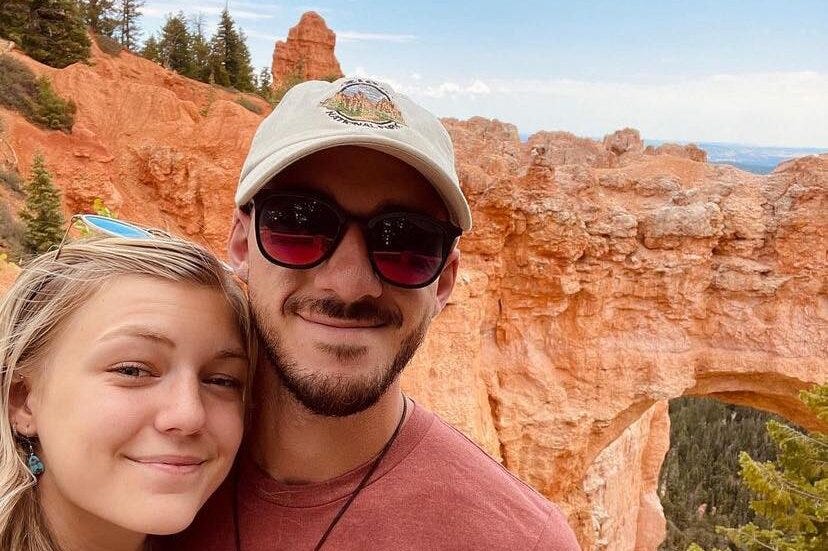
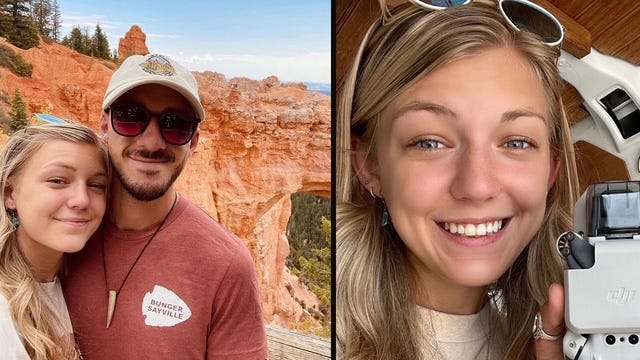
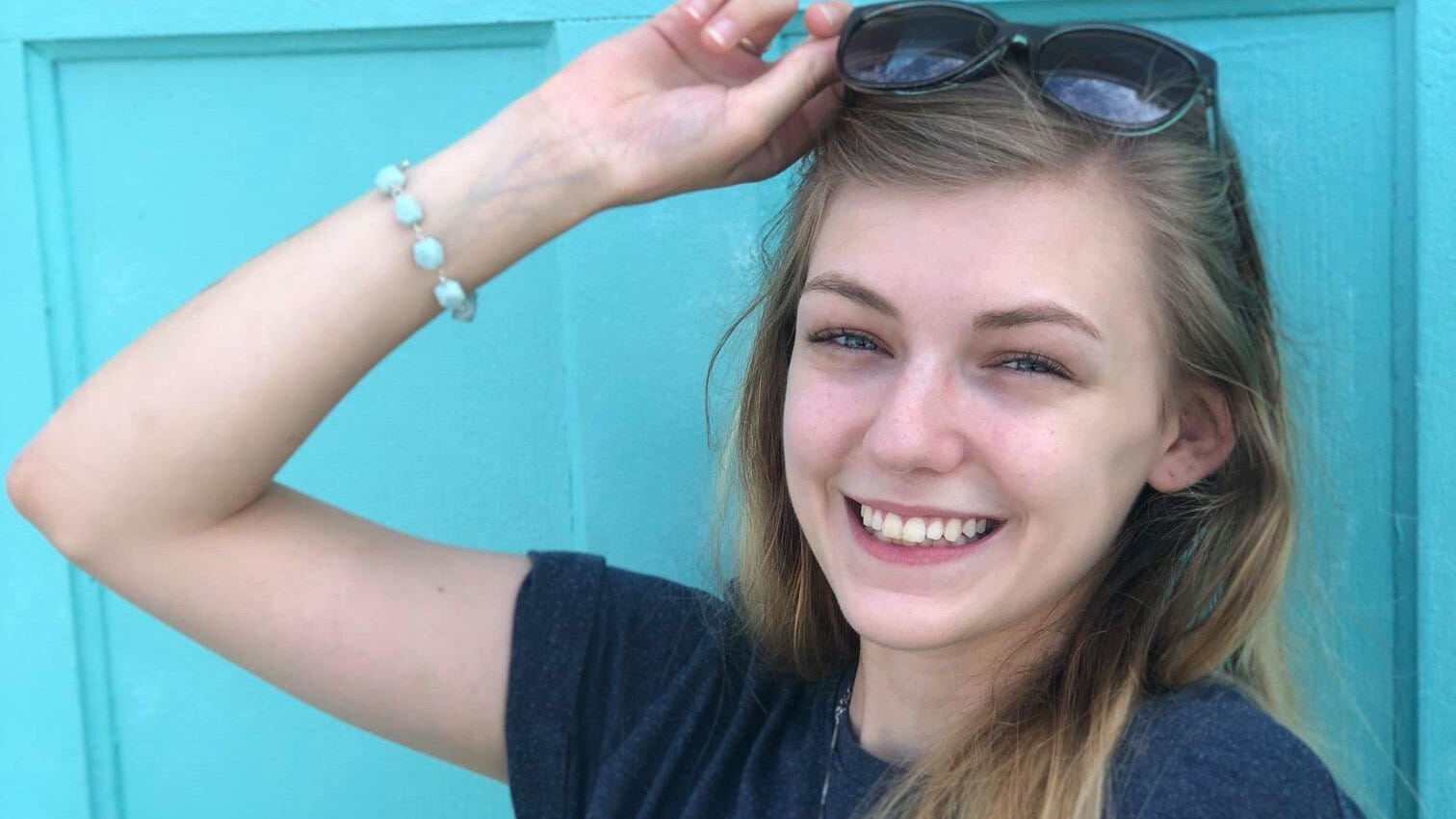
She wanted to be a travel influencer. She had the van, the fiancé, the YouTube channel, and the open American road stretching out ahead of her. Gabby Petito was twenty-two years old in the summer of 2021, and her life — as she broadcast it to thousands of online followers — looked like freedom distilled to its most photogenic form.
But behind the sun-drenched Instagram posts and the cheerful van-life vlogs, investigators would later conclude, something far darker was unfolding. By September 2021, Gabby was dead in a Wyoming forest. Her fiancé, Brian Laundrie, had driven home to Florida without her, told no one where she was, and eventually confessed in a handwritten notebook found beside his own remains. He had strangled her.
What followed was one of the most intensely covered missing-person cases in American history — and one of the most contested. The Petito case became a lens through which the country examined its relationship with social media obsession, the unequal treatment of domestic violence survivors, systemic failures in law enforcement, and the deep, persistent inequity in which missing persons receive public attention and which are quietly forgotten. This is a full accounting of what happened — and what it revealed.
The Road They Took Together
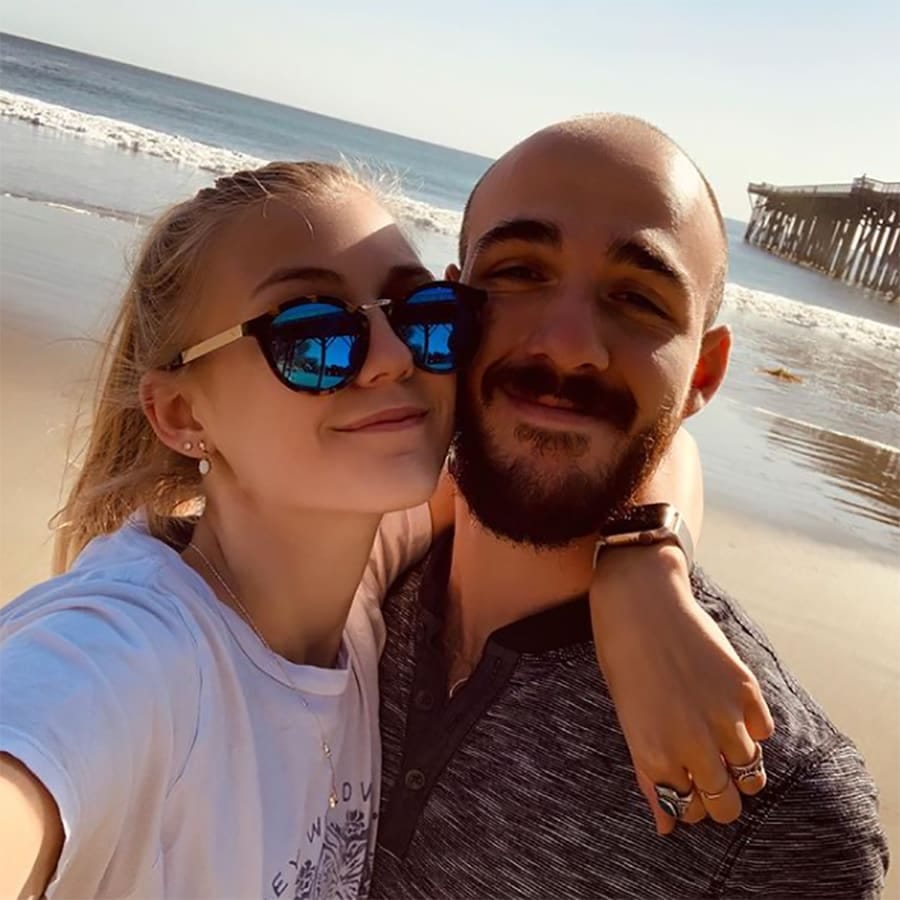
Gabrielle Veda Petito was born on March 19, 1999, and grew up on Long Island, New York. She was, by all accounts of those who loved her, warm and adventurous — a young woman who dreamed of seeing the country and sharing those experiences with an online community she was steadily building. She began dating Brian Christopher Laundrie, who also grew up in New York, sometime around 2019. The couple eventually moved to North Port, Florida, living with Laundrie’s parents, Christopher and Roberta Laundrie, in a modest home on 75th Street.
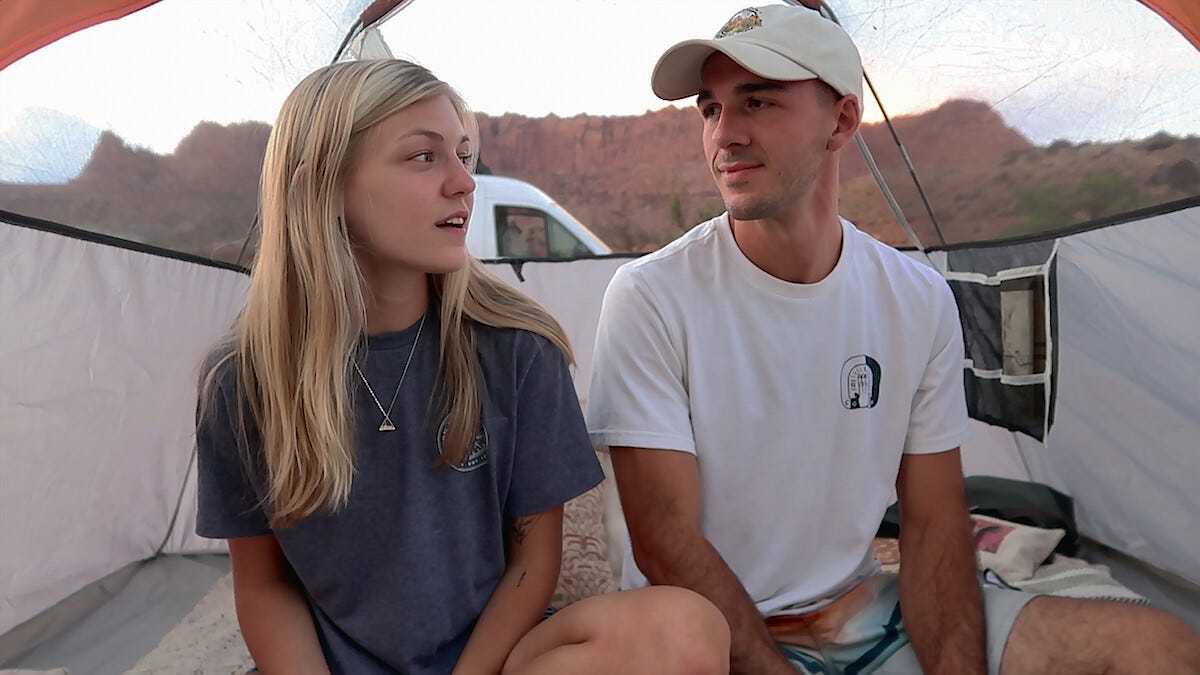
Laundrie proposed in 2020, and the two became engaged. By the summer of 2021, they had converted a white 2012 Ford Transit van into a mobile home — a project common to the “van life” community — and announced plans for an extended cross-country road trip, traveling west through the national parks that stretch from Colorado to California and back. Gabby planned to document everything on her YouTube channel, “Nomadic Statik,” and on Instagram.
On July 2, 2021, the couple departed from Long Island, beginning a journey that would ultimately cover thousands of miles across some of America’s most spectacular landscapes. In the early weeks, Gabby posted regularly — photographs at Arches National Park in Utah, footage from Colorado, sunsets over the western plains. Her family spoke to her frequently. By her own account, life was good.
But people close to Gabby would later note inconsistencies — moments where her posts seemed stilted, her responses delayed, her demeanor in videos less carefree than projected. The curated cheerfulness of social media, as those who knew her best would come to understand, was obscuring a relationship under significant strain.
The Moab Traffic Stop - A Warning Ignored
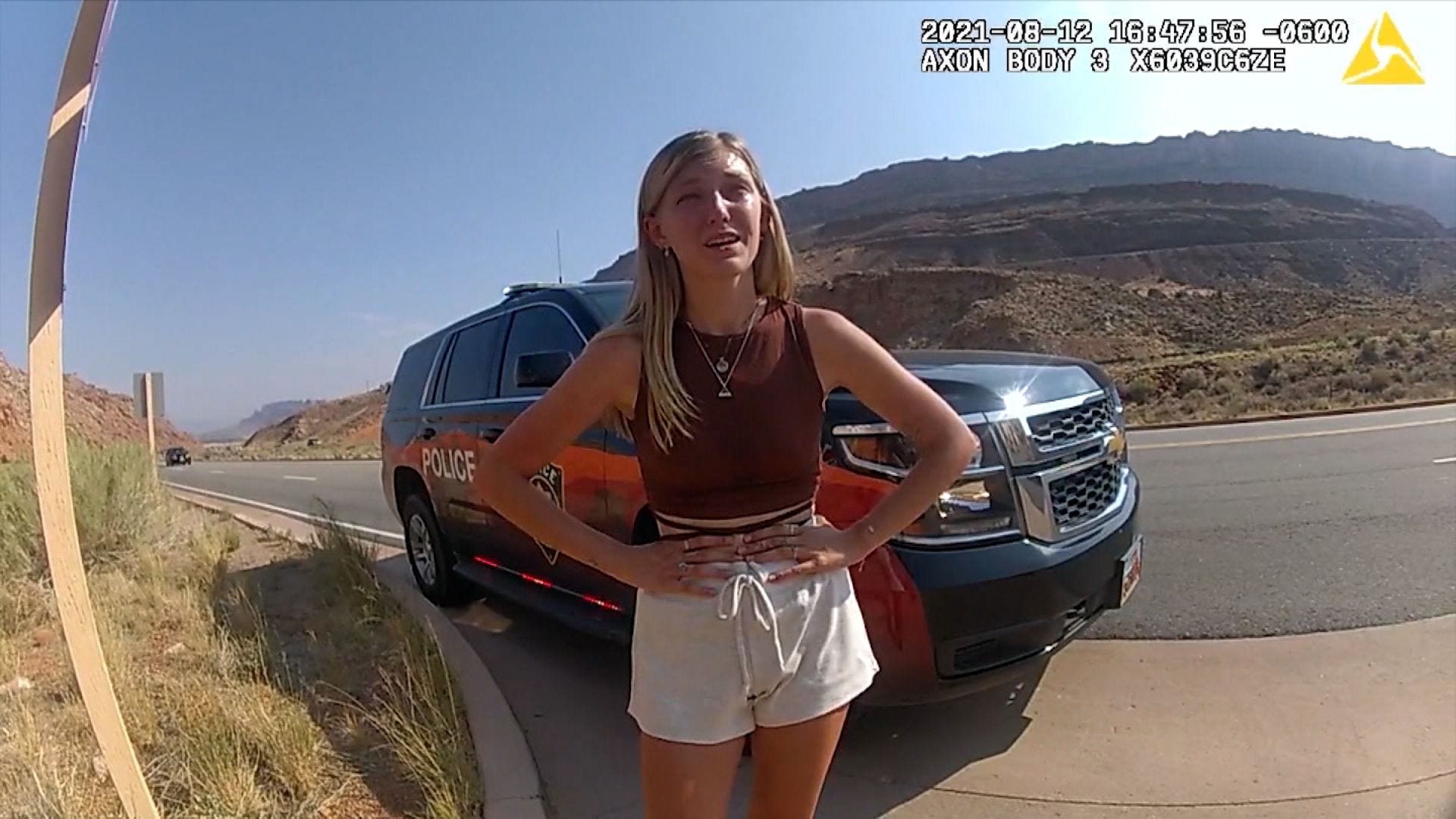
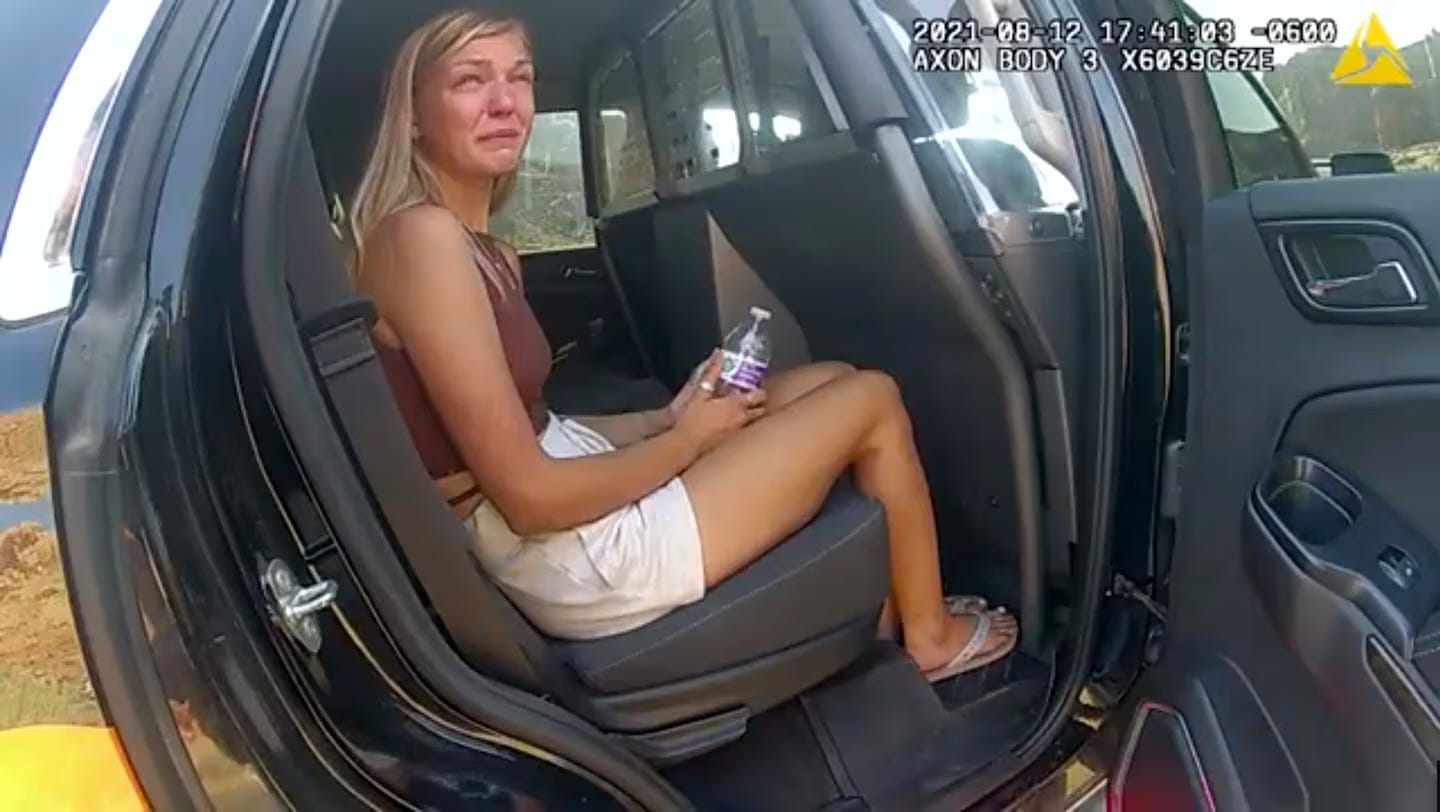
On August 12, 2021 — roughly six weeks into the trip — Moab City Police officers in Utah received a 911 call from a witness who reported seeing a man slap a woman near a local business and then chase her up and down the sidewalk before the two got into a white van together. Officers pulled the van over near the entrance to Arches National Park. Inside were Gabby and Brian Laundrie.
What the body cameras recorded that afternoon would later become among the most widely viewed police footage in the country. Gabby emerged from the van visibly distressed — weeping continuously, struggling to form sentences, wiping her face repeatedly. She told officers she had been arguing with Laundrie about her phone and her “OCD,” saying she sometimes became frustrated and could be the aggressor. She was apologetic, self-blaming, and desperate not to be separated from her fiancé.
“At no point in my investigation did Gabrielle stop crying, breathing heavily, or compose a sentence without needing to wipe away tears, wipe her nose, or rub her knees with her hands.”
— Moab City Police Officer’s incident report, August 12, 2021
Officers noted that both parties had injuries. Laundrie had scratches on his face; Gabby had a cut lip and redness on her arm. Despite the fact that the original 911 call described a man striking a woman, police ultimately classified the incident as a “mental health breakdown” rather than domestic violence. No charges were pressed. Laundrie was put up at a nearby motel — the Bowen Motel, which police used for domestic violence survivors — while Gabby was allowed to remain in the van.
The decision not to treat the situation as domestic violence had immediate legal consequences. Under Utah law, officers responding to a domestic violence call where probable cause exists are generally required to make an arrest. Critics — and, later, Gabby’s own family in court — would argue that the officers failed to follow this protocol, that they were inadequately trained to recognize the signs of intimate partner violence including coercive control, and that their failure to act cost Gabby Petito her life.
Officer Eric Pratt, one of the responding officers, would later reflect in an internal review: “If I would have known he was going to murder her, I would have taken vacation to follow them... I would have intervened and citizens arrested him in Wyoming.” His anguished acknowledgment only deepened the question: were there red flags that, with proper training, could have led to a different outcome?
Moab Police Chief Bret Edge took a leave of absence under the Family Medical Leave Act shortly after the bodycam footage became public. The city launched an internal review, and an independent investigator later recommended that the officers involved be placed on probation. Gabby’s parents subsequently filed a $50 million wrongful death lawsuit against the Moab Police Department. In November 2024, a Utah judge dismissed the case on the grounds of governmental immunity — a ruling her parents have appealed to the Utah Supreme Court.
Wyoming and Silence
After the Moab incident, Gabby and Brian continued their trip, traveling north into Wyoming. The couple were seen at various campgrounds and parks throughout August. Gabby’s last confirmed Instagram post appeared on August 25, 2021 — a photograph from Grand Teton National Park. That same day, she spoke to her mother, Nicole Schmidt, on the phone. It was their final conversation.
Around August 27 or 28, investigators believe, Gabby Petito was killed at the Spread Creek Dispersed Camping Area within the Bridger-Teton National Forest — a remote area accessible by a rough dirt road off U.S. Highway 89. The Teton County Coroner would later estimate she died approximately three to four weeks before her body was found.
A family lawyer stated that the last communication from Gabby’s phone came on August 30 — but the family believed this message was sent by Laundrie, not Gabby, in an attempt to create the impression she was still alive. The FBI later confirmed this suspicion, finding that in the days following Gabby’s death, Laundrie used her phone to send several text messages “indicative of Mr. Laundrie attempting to deceive law enforcement by giving the impression that Ms. Petito was still alive.”
On September 1, 2021, Brian Laundrie drove the couple’s van back to North Port, Florida alone. He moved back into his parents’ home. He did not contact Gabby’s family. He did not speak to police. He retained a lawyer. In the days that followed, while Gabby’s parents grew increasingly alarmed by their inability to reach their daughter, the Laundrie family remained silent — offering only a brief statement through their attorney expressing hope that Gabby would be found safe.
The Search Begins — and a Nation Watches
Gabby’s mother, Nicole Schmidt, formally reported her daughter missing to Suffolk County Police in New York on September 11, 2021. Within days, the case exploded across social media and cable news. The combination of factors was combustible: a young, photogenic influencer who had publicly documented her own trip; an abundance of video evidence; a fiancé who had returned alone and was staying silent; and the dramatic backdrop of the American West.
By September 14, the North Port Police Department labeled Brian Laundrie a “person of interest,” noting that he had not made himself available to investigators and had provided no helpful information. His silence, behind the wall of a family attorney, was itself a story. Gabby’s father, Joseph Petito, made an emotional public appeal. Her family’s attorney read a letter to the Laundrie family: “Please, if you or your family have any decency left, please tell us where Gabby is located. Tell us if we are even looking in the right place.”
Cassie Laundrie, Brian’s sister, briefly broke ranks to speak to Good Morning America, expressing her own desire for Gabby to be found safely. She would later say that she, too, felt ignored by her own family during the investigation.
On September 15, Laundrie’s Ford Mustang was found at the T. Mabry Carlton Jr. Memorial Reserve and Myakkahatchee Creek Park — a vast, swampy nature preserve in North Port. His parents subsequently reported him missing on September 17, claiming they hadn’t seen him since September 13 (a date they later revised). Gabby’s family issued a now-famous response: “Brian is not missing. He is hiding. Gabby is missing.”
Meanwhile, on the other side of the country, the FBI deployed agents to Grand Teton National Park. A pivotal break came from a most-2021 source: social media. Kyle and Jenn Bethune, a van-life influencer family who had been traveling through Wyoming weeks earlier, reviewed old dashcam footage after seeing viral TikToks about Gabby’s disappearance. They identified what appeared to be Gabby and Brian’s white Ford van parked in brush off the highway near the Spread Creek area — and alerted authorities immediately.
On September 19, 2021, law enforcement officers found human remains at the Spread Creek Dispersed Camping Area in Bridger-Teton National Forest. The Teton County Coroner confirmed the identity as Gabrielle Petito on September 21. The cause of death: “blunt-force injuries to the head and neck, with manual strangulation.” Manner of death: homicide.
The Hunt for Laundrie — and Its Grim End
With Gabby’s murder confirmed, the search for Brian Laundrie intensified into one of the largest manhunts Florida had seen in years. The Carlton Reserve — more than 24,000 acres of subtropical wilderness filled with alligators, snakes, deep water, and dense vegetation — became the focal point. More than 100 law enforcement officers, including FBI agents, combed the preserve for weeks. A federal arrest warrant was issued for Laundrie, though it was connected to his unauthorized use of Gabby’s debit card between August 30 and September 1 — the FBI confirmed he had used her card without authorization during his drive back to Florida from Wyoming.
The search appeared to be stalling. Water levels in parts of the reserve were high, limiting access. Then, on October 7, 2021, at the FBI’s request, the Laundrie family provided personal effects to assist in the search. On October 20, after water levels had receded, Laundrie’s attorney Steven Bertolino notified law enforcement that the Laundries intended to return to the park to search for their son themselves.
On October 21, during that search with law enforcement officers present, Brian Laundrie’s parents located items belonging to their son near a trail in the park. Upon further searching of the area, investigators discovered human remains later confirmed through dental records to be Brian Laundrie. A firearm — a .380 caliber pistol — was found nearby. The medical examiner ruled his death a suicide by self-inflicted gunshot wound to the head.
Near his remains was a waterproof bag containing a notebook. The FBI reviewed the contents and, on January 21, 2022 — the same day the bureau announced it was closing its investigation — confirmed that the notebook contained written statements by Laundrie claiming responsibility for Gabby Petito’s death.
What Laundrie Wrote
In June 2022, the Laundrie family’s lawyer released the full text of the relevant notebook entry. In it, Laundrie offered an account that diverged sharply from what forensic investigators had concluded. He claimed that while hiking back to the van in Wyoming, Gabby had fallen into cold water, sustained serious injuries, and was suffering. According to his account, he killed her believing it to be merciful — that it was what she would have wanted. He wrote: “I ended her life. I thought it was merciful, that it is what she wanted, but now I see all the mistakes I made.” The entry ended with an explanation of his own plan for suicide: “I am ending my life not because of a fear of punishment but rather because I can’t stand to live another day without her.”
“I ended her life. I thought it was merciful, that it is what she wanted, but now I see all the mistakes I made.”
— Brian Laundrie’s notebook, found Oct. 2021; released June 2022
Forensic experts and criminal justice analysts were immediately skeptical of Laundrie’s version. Michael Alcazar, a criminal justice professor at John Jay College of Criminal Justice, characterized the account as the narrative of someone who “doesn’t want to own up to what he did” and was seeking “justification for the actions he did.” Crucially, the coroner’s finding — blunt-force injuries to the head and neck, with manual strangulation — is inconsistent with a mercy killing following an accidental injury. Strangulation requires sustained, deliberate physical force. It does not suggest mercy.
Whether Laundrie truly believed his own account, constructed it to reshape his legacy, or wrote it knowing it would never be seriously tested in a courtroom remains unknowable. He was never charged with murder. He was never cross-examined. He died in a swamp in Florida, leaving behind a version of events that forensic science does not support.
Lawsuits and Accountability
The FBI officially closed its investigation in early 2022, concluding that no individuals other than Brian Laundrie were directly involved in Gabby’s death. But the legal battles were far from over.
Gabby’s estate filed a wrongful death lawsuit against Laundrie’s estate in Florida. In November 2022, the judge ruled in favor of Gabby’s mother as estate administrator, awarding $3 million in damages. Given Laundrie’s minimal assets, the practical recovery of that sum was considered doubtful.
The family also sued the Laundrie parents and their attorney, Steve Bertolino, alleging that they had withheld information about Gabby’s death, causing additional pain and emotional distress to the Petito family. In February 2024, this case reached a confidential settlement. All parties — the Petito family, the Laundrie parents, and Bertolino — issued a joint statement saying they had “reluctantly agreed” to resolve the matter “in order to avoid further legal expenses and prolonged personal conflict.”
The $50 million wrongful death claim against the Moab Police Department remained the most publicly charged legal front. Gabby’s mother, Nichole Schmidt, said at a press conference: “We feel the need to bring justice because she could have been protected that day. There are laws put in place to protect victims, and those laws were not followed.” In November 2024, a Utah district court judge dismissed the case, citing the Governmental Immunity Act of Utah, which provides sovereign immunity protections for government entities. The judge acknowledged the case met an early standard suggesting the officers’ conduct could have contributed to her death — but ruled the immunity provisions were dispositive. The Petito family has appealed to the Utah Supreme Court.
The Media Storm and “Missing White Woman Syndrome”
Few cases in recent memory generated the volume of media attention that the Gabby Petito case did. From the moment her disappearance went public, cable news networks ran near-continuous coverage. The New York Post ran multiple front-page stories. Major papers and networks dedicated enormous resources to every development. On social media, the case achieved a kind of saturation that crossed from true crime interest into something closer to viral entertainment — a phenomenon that drew significant criticism.
The term “missing white woman syndrome” — coined by journalist and media critic Gwen Ifill in reference to the disproportionate media coverage received by cases involving young, white, conventionally attractive women compared to missing persons of color — was extensively invoked in coverage of the Petito case. Several outlets drew sharp contrasts: approximately 710 Indigenous people had been reported missing in or near the same Wyoming region between 2011 and 2020, receiving vanishingly little coverage by comparison. The search efforts for Gabby and later Laundrie, however, inadvertently led to the discovery of five additional bodies, including a woman of color who had been missing for months.
Gabby’s father, Joseph Petito, initially reacted with understandable defensiveness to the framing — his daughter’s death was the most significant event of his life, and the suggestion that it had received “too much” attention felt like an erasure of her. But over time, he shifted his position and has since used his platform explicitly to advocate for greater attention to missing persons cases involving marginalized communities. He has been involved in the television series Faces of the Missing and has spoken openly about the inequities the case exposed.
The online behavior surrounding the case raised additional ethical questions. True crime content creators racked up millions of views parsing Gabby’s social media for hidden clues, comparing old Instagram captions to new ones, or treating her Spotify playlists as coded messages. As media critic Rachelle Hampton observed, this often devolved into something morbid and exploitative — creators profiting from attention generated by a young woman’s violent death. Yet the same ecosystem produced genuine investigative contributions: the van-life content creators whose dashcam footage helped locate Gabby’s remains.
The tension between these two poles — social media as an instrument of justice and as a machine for exploitation — would become one of the defining themes of the Petito case’s cultural legacy.
The Systemic Questions
Perhaps the most enduring consequence of the Gabby Petito case has been its contribution to public understanding of intimate partner violence — specifically, the ways in which coercive control operates, how it shapes victims’ self-perception, and how law enforcement often fails to recognize or respond to it.
In the Moab bodycam footage, Gabby Petito exhibited several classic indicators of a victim in an abusive, coercively controlling relationship: extreme emotional dysregulation; minimization of the abuser’s violence; self-blame; desire not to be separated from the abuser; framing herself as the aggressor. Mental health clinicians and domestic violence advocates who reviewed the footage immediately recognized these patterns. The police officers, however, did not — and their response reflected a training gap that advocates say is widespread in law enforcement.
When police responded to the August 12 call, they had a witness account of a man slapping a woman. They had a visibly distraught woman with injuries. They had a man whose injuries were consistent with defensive actions by a victim. Under Utah law, officers responding to domestic violence calls where probable cause exists are required to make an arrest. Instead, they gave the man a motel room and left the woman alone in the van.
The case reinvigorated campaigns for mandatory domestic violence training for law enforcement, for wider adoption of lethality assessment protocols, and for a more nuanced legal understanding of coercive control — a pattern of behavior that can constitute abuse even in the absence of physical violence. In this sense, Gabby Petito’s death became not just a tragedy but a case study in how institutions fail the people they are designed to protect.
The Foundation, the Documentary, and What Remains
In the weeks following Gabby’s funeral, her family announced the Gabby Petito Foundation — an organization dedicated to providing resources and support for the families of missing persons, with particular attention to cases involving marginalized communities. The foundation has since become an active force in advocacy, channeling the attention generated by Gabby’s case toward systemic change.
In February 2025, Netflix released a three-part documentary series, American Murder: Gabby Petito, which brought new audiences to the case and sparked fresh controversy around the Moab Police Department. The documentary featured extensive interviews with Gabby’s family and friends, previously unseen home footage, text messages, and excerpts from her personal journals. It also used an AI-generated voice, based on Gabby’s actual voice, to read passages from her travel blog — a choice that drew criticism from some viewers and ethicists who argued it violated her memory in ways consent could not have anticipated.
The Netflix documentary’s release prompted a new wave of reviews and commentary targeting the Moab Police Department’s handling of the August 2021 stop. Google temporarily suspended reviews on the department’s listing due to the volume of negative responses. Whatever one thinks of review-bombing as a form of accountability, it reflected a broader cultural judgment: that the officers had missed a life-or-death moment and that the institutional response had been inadequate.
The wrongful death suit against the Moab police remains in the appeals process as of 2026. The Petito family has shown no indication of abandoning their effort to establish, through the courts, that a different choice in a Moab parking lot on August 12, 2021 might have saved their daughter’s life.
Gabby Petito was twenty-two years old. She wanted to see the country. She documented her life with the earnestness of someone who believed that sharing beauty was itself a worthwhile act. The details of her final days — the cold water, the remote forest, the hands around her neck — are a brutal contrast to everything she had set out to do that summer. That contrast, perhaps more than anything else, is why her story refuses to fade.
“Two people went on a trip. One person returned. And that person who returned isn’t providing us any information.”
— North Port Police Chief Todd Garrison, press conference, September 2021
Gabby Petito did not get justice in a courtroom. Her killer confessed in a notebook found beside his own decomposed remains. There was no trial, no testimony, no verdict. What the case produced instead was something messier and, in some ways, more important: a national conversation about the violence that hides inside relationships, the systems that fail to recognize it, the media machinery that turns tragedy into content, and the profound, ongoing injustice of whose disappearance we treat as a crisis and whose we allow to pass unremarked.
Her name became a touchstone. Her face became a symbol. What her family and advocates hope — what this case demands — is that it also becomes a catalyst.
Key Timeline
July 2, 2021
Gabby and Brian depart Long Island for cross-country road trip.
Aug. 12, 2021
Moab police stop the couple after 911 call; domestic incident classified as a mental health crisis.
Aug. 25, 2021
Gabby’s last Instagram post. Last confirmed phone call with her mother.
~Aug. 27–28
Coroner estimates Gabby is killed near Spread Creek, Wyoming.
Sep. 1, 2021
Brian Laundrie returns alone to North Port, Florida in the couple’s van.
Sep. 11, 2021
Gabby’s family files missing person report. Case becomes national news.
Sep. 19, 2021
Human remains found in Spread Creek. Identified as Gabby Petito.
Sep. 21, 2021
Death confirmed as homicide: strangulation.
Oct. 21, 2021
Laundrie’s remains found in Carlton Reserve, Florida. Ruled suicide.
Jan. 21, 2022
FBI closes investigation. Laundrie’s notebook confirmed to contain confession.
Nov. 2022
Gabby’s estate awarded $3 million from Laundrie’s estate.
Feb. 2024
Confidential settlement reached with Laundrie family and attorney.
Nov. 2024
Wrongful death suit vs. Moab Police dismissed; family appeals.
Feb. 2025
Netflix releases American Murder: Gabby Petito documentary.
Key Players
Gabrielle Petito — Victim, 22, aspiring travel influencer from Long Island, NY.
Brian Laundrie — Perpetrator, 23, Gabby’s fiancé. Died by suicide October 2021.
Nicole Schmidt — Gabby’s mother; filed the missing person report; lead plaintiff in lawsuits.
Joseph Petito — Gabby’s father; advocate for missing persons equity.
Christopher & Roberta Laundrie — Brian’s parents; subject of emotional distress lawsuit; reached confidential settlement.
Steven Bertolino — Laundrie family attorney; named in lawsuit; part of confidential settlement.
Eric Pratt — Moab Police officer at the August 12 stop; expressed regret in internal review.
Editor’s NoteThis article draws on official FBI case updates, Teton County Coroner records, court filings, body camera records, and published investigative reporting. Brian Laundrie was never tried or convicted; the conclusions stated here reflect the FBI’s official findings and the coroner’s determination of homicide.
Broader Context
Search efforts for Gabby and Laundrie led to the discovery of five unrelated missing persons, including at least one woman of color.
Approx. 710 Indigenous people were reported missing in the same Wyoming region between 2011–2020, receiving little media attention.
The Gabby Petito Foundation advocates for missing persons equity and domestic violence awareness.
As of 2026, the family’s appeal of the Moab lawsuit dismissal is pending before the Utah Supreme Court.
Sources & Further Reading
FBI Denver Final Investigative Update, January 21, 2022 · Teton County Coroner’s Office Findings, September 2021 · Moab City Police Department Internal Review Report · American Murder: Gabby Petito, Netflix, February 2025 · Court documents: Petito v. Laundrie Estate (Florida); Petito v. City of Moab (Utah) · CNN, NBC News, ABC News, and Associated Press coverage, 2021–2025 · Journal of the American Academy of Psychiatry and the Law: “Reflections on Missing White Women and the Gabby Petito Case,” 2025 · Psychology Today: “Gabby Petito Documentary Shows Flaws in Judicial System,” February 2025
© 2026 TheColdCases.com. All rights reserved. This article is for informational and investigative journalistic purposes. The Gabby Petito Foundation can be reached at gabbypetitofoundation.org.
Five-plus years later, still one of the most disturbing cautionary tales ever. Sad beyond description.
Still one of the most disturbing cases ever. That police recording was beyond heartbreaking to watch.