

44-Year Old Cold Case of Dorothy Silzel Leads to Arrest of Kenneth Kundert
Because of a Cigarette This Case May be Solved.

A 44-Year Cold Case Finally Cracked: The Murder of Dorothy “Dottie” Silzel and the Arrest of Kenneth Duane Kundert
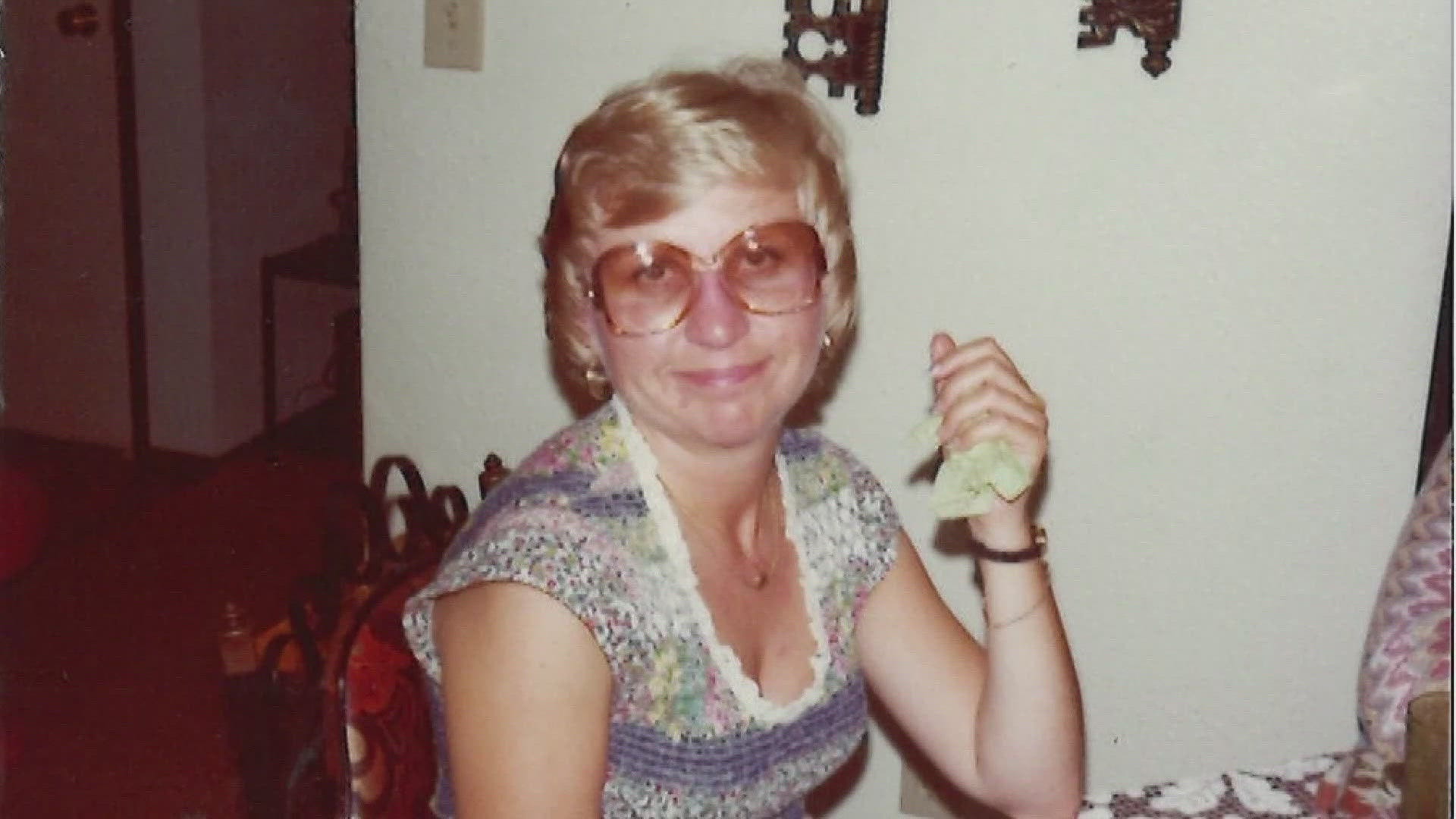
For nearly 45 years, the murder of 30-year-old Dorothy “Dottie” Silzel haunted the city of Kent, Washington. A hardworking Boeing instructor and part-time pizzeria employee, Dorothy was loved by family, friends, and coworkers—but on a February night in 1980, her life was violently taken inside her own home. Despite the evidence collected at the scene, forensic science at the time could not identify her killer.
Decades passed. Leads grew cold. Retired detectives carried the weight of her case long after leaving the force. And yet, a tiny piece of preserved evidence—a DNA sample—and a discarded cigarette butt would eventually change everything.
The breakthrough came not just from luck, but from the relentless persistence of cold case detectives and the remarkable evolution of forensic genealogy. Today, after more than four decades of mystery, 65-year-old Kenneth Duane Kundert stands accused of her murder.
This is the full account of the crime, the science, the investigation, and the long-awaited pursuit of justice.
The Night of the Crime: February 26, 1980
On February 26, 1980, police responded to a welfare check at Dorothy Silzel’s condominium in Kent, Washington, after she failed to show up for work and didn’t respond to calls. She had last been seen alive the previous night after finishing her shift at her second job.
Officers discovered a horrific scene inside her home. Dorothy was found deceased, and the King County Medical Examiner later reported that her cause of death was asphyxia by cervical compression, consistent with manual strangulation, combined with blunt-force trauma to her head. Evidence of sexual assault was also present.
Despite a thorough investigation at the time—including the collection of semen from her body and from her robe—technology in 1980 was insufficient to identify the perpetrator. No DNA databases existed. No forensic genealogy tools were available. And with no suspects and no clear motive, the case eventually went cold.
Cold, But Never Forgotten
Even after the case went dormant, it was never discarded. Over the years, various investigators revisited the evidence, hoping that advances in forensic science might finally unlock answers.
In 2002, detectives succeeded in creating a DNA profile from semen preserved on Dorothy’s bathrobe. It was uploaded to national databases—but at the time, there were no matches.
Still, the profile remained stored, waiting for technology to catch up.
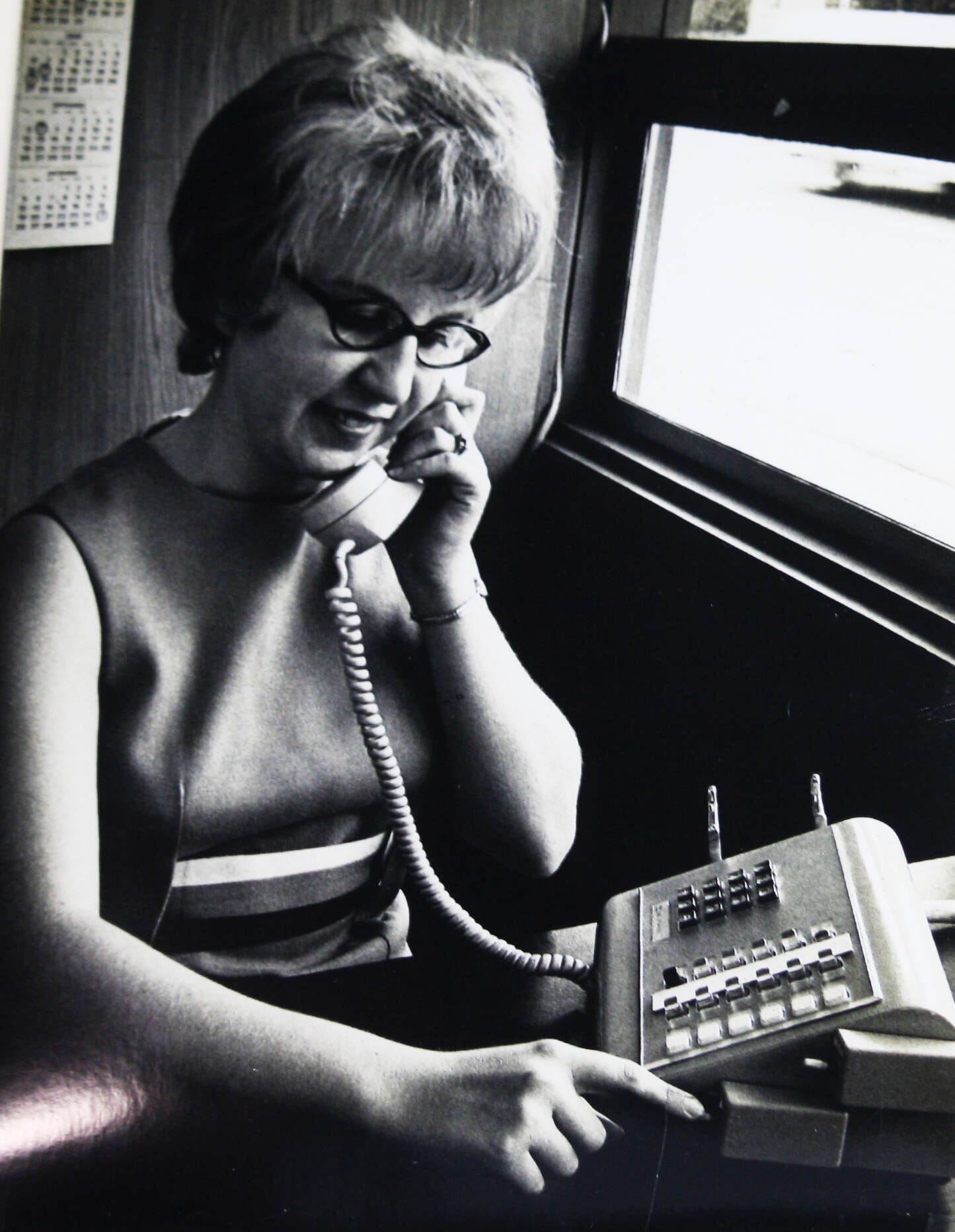
A Breakthrough in 2022: Forensic Genealogy Brings New Hope
The turning point came in 2022, when senior forensic genealogist Misty Gillis began applying advanced genealogical techniques to the old DNA profile. Using publicly accessible genealogy databases, she identified a cluster of 11 related men—all believed to be first cousins.
This was extraordinary. Rather than generating thousands of distant relatives, the DNA search pinpointed a small group of closely related males, making it possible to build a family tree.
From there, investigators narrowed the pool to three men. One of them was Kenneth Duane Kundert, who had lived in Washington during the relevant time period. While little was publicly known about his movements in 1980, he stood out as a viable suspect.
When detectives approached Kundert and a family member for voluntary DNA, both declined.
That refusal did not stop the investigation—it sharpened it.
The Cigarette Butt That Changed Everything
By 2023, detectives shifted to surveillance in Arkansas, where Kundert had lived for decades.
In March 2024, investigators were watching Kundert in the parking lot of a Walmart. As he exited his vehicle, he smoked a cigarette—and then tossed the butt into a trash can outside the building.
This was the moment detectives had been waiting for.
Once Kundert left, police retrieved the discarded cigarette butt from the trash. It was sealed, preserved, and immediately sent to the lab.
The results were decisive:
The DNA on the cigarette butt matched the DNA from the crime scene collected in 1980.
The unknown male DNA profile that had sat in cold-case files for decades finally had a name.
Court Proceedings: A Not-Guilty Plea
On November 7, 2024, after arriving in King County, Kundert appeared before a judge.
He entered a plea of not guilty.
Prosecutors outlined the decades-long chain of evidence, including the preserved semen sample, the genealogical family tree, and the cigarette butt that produced the conclusive match.
Defense attorneys have not publicly detailed their strategies, but it’s expected they will challenge aspects such as:
The integrity of the DNA evidence
Potential contamination questions
Chain of custody
The interpretation of genealogical data
The timeline of Kundert’s presence in Washington in 1980
The trial is still pending, and more information is expected to emerge as testimony, motions, and expert witnesses come forward.
What Investigators Still Don’t Know
Even with the arrest, several questions remain unanswered:
Did Dorothy know her killer?
According to reports, investigators have found no evidence that Silzel and Kundert knew one another.
(New York Post coverage)
Why was she targeted?
There is no known motive or evidence of a prior relationship. The nature of the crime suggests a possible opportunistic sexual assault.
Was Kundert responsible for other crimes?
Authorities have not released any information linking Kundert to additional assaults or homicides, but forensic genealogical cases often raise the possibility of deeper histories.
What was Kundert doing in 1980?
Details of his life, employment, or personal movements during that year are expected to be scrutinized during trial.
Why This Case Matters: A Victory for Science and Persistence
The Dorothy Silzel case is a powerful example of how cold cases can be solved through:
1. DNA Preservation
The biological evidence collected in 1980—long before DNA profiling existed—was carefully preserved. If it had been discarded or degraded, none of this would have been possible.
2. Forensic Genealogy
This newer field has changed the landscape of criminal investigations. Instead of relying solely on criminal databases, investigators can now compare crime scene DNA to public genealogy platforms to identify relatives and construct family trees.
3. Patience and Dedication
Cold case detectives never abandoned Dorothy’s case. Each generation of investigators reopened the files, hoping new technology could yield answers.
4. The Importance of Small Details
In this case, a single cigarette butt—thrown casually into a garbage can—proved to be the key to unlocking a 44-year mystery.
The Human Impact: Remembering Dorothy “Dottie” Silzel
Behind every cold case is a life cut short and a family left in anguish.
Dorothy’s loved ones endured 44 years with no answers. They faced birthdays, holidays, and anniversaries marked by grief and uncertainty. Her coworkers from Boeing and friends from her pizzeria job remembered her as:
Dedicated
Friendly
Warmhearted
Hardworking
She lived alone, but she was surrounded by people who cared deeply about her. The world moved forward—but for them, time stood still after her murder.
Her case becoming active again is not just a matter of crime solving—it’s a matter of human healing.
The Bigger Picture: Hope for Other Cold Cases
The arrest in Dorothy Silzel’s murder offers hope for thousands of families waiting for answers.
It proves:
Old evidence still holds immense value
Cases can be solved without witnesses
Advances in science can break through impossibilities
Justice delayed is not justice denied
This case joins others that were solved decades later thanks to genealogical DNA, showing that even offenders who have lived quiet lives for 40+ years are not beyond the reach of justice.
Cold Does Not Mean Forgotten
The story of Dorothy “Dottie” Silzel is a reminder that no matter how much time has passed, truth can still rise to the surface. What began as a tragic and seemingly unsolvable crime in 1980 has become a landmark example of forensic innovation and investigative dedication.
A preserved DNA sample.
A genealogical profile.
A cigarette butt in a trash can.
A team of determined investigators.
Together, these elements brought justice within reach after 44 long years.
As the case moves toward trial, one thing remains clear:
Dorothy Silzel will not be forgotten—and her story continues to inspire hope for families of other cold case victims.